
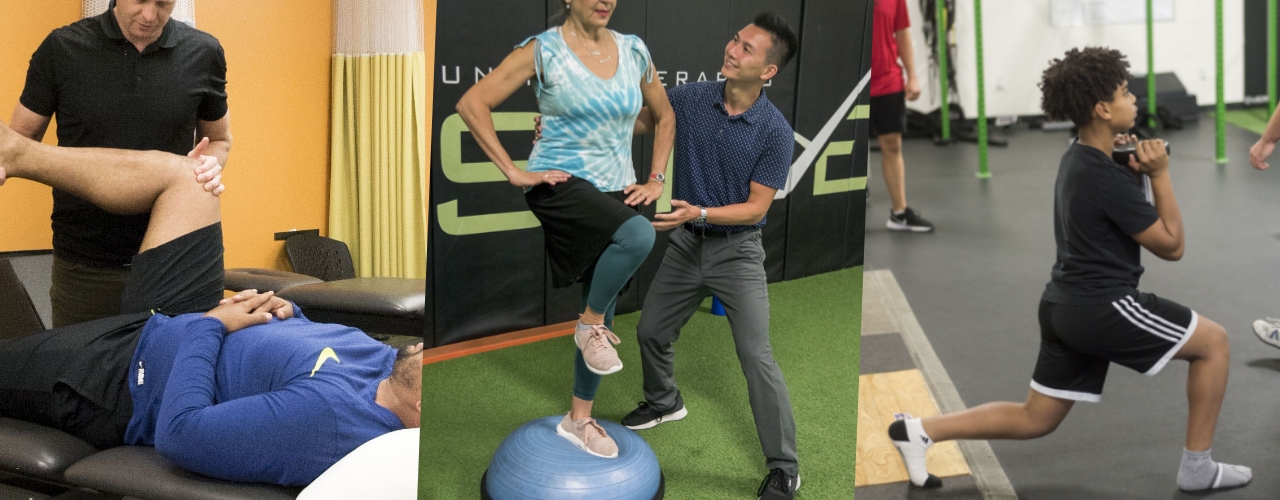
Experience Cupping Therapy in Winnipeg for Better Circulation and Recovery
What Is Cupping Therapy?
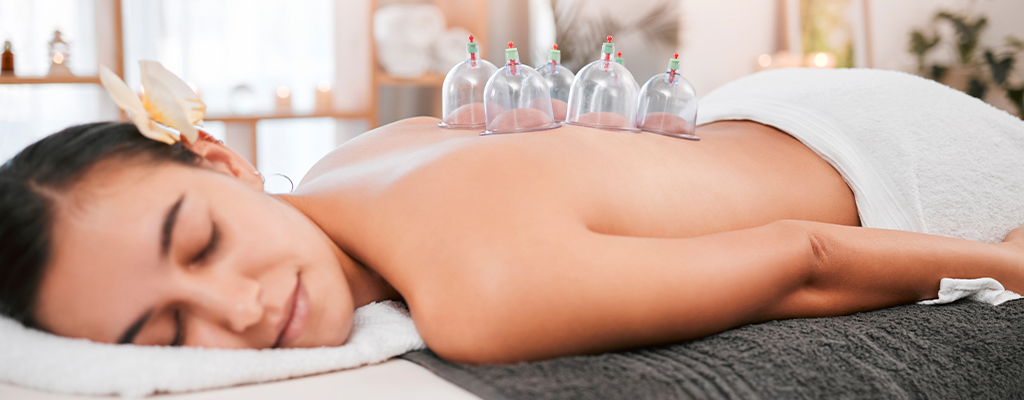
Cupping therapy is an ancient healing technique that has been used for thousands of years across Asian, European, and Middle Eastern cultures. It involves using cups—typically made of glass, silicone, or plastic—to create suction on the skin. This negative pressure gently lifts soft tissue, promoting relaxation and circulation while helping to reduce stiffness and discomfort. If you’re looking for cupping therapy in Winnipeg, this traditional practice is offered by trained professionals who can incorporate it into your individualized treatment plan.
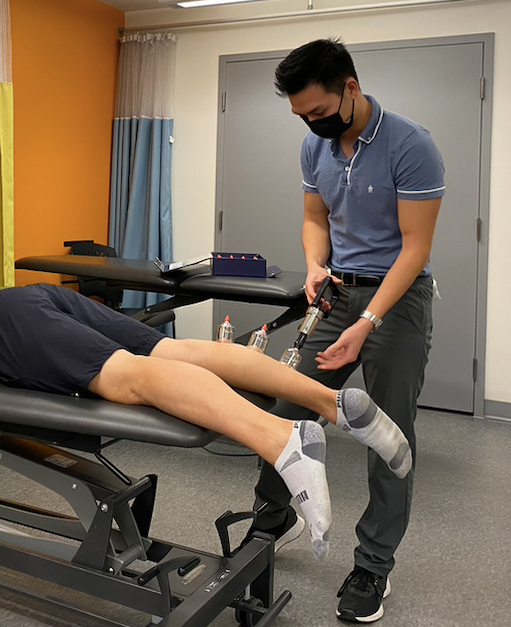
At our Winnipeg physiotherapy clinic, trained therapists may use a static technique (leaving the cups in place for several minutes) or a dynamic technique, where the cups glide across the skin or remain on the body while you perform gentle movements. Both methods aim to stimulate tissue recovery and complement other forms of therapy, such as massage or exercise-based rehabilitation.
Cupping is one of several manual therapy tools your therapist may include as part of a customized treatment plan designed to help you move and feel your best.
How Does Cupping Therapy Help?
The effects of cupping therapy can vary from person to person, but it is often used as a supportive treatment to encourage blood flow, reduce tension, and promote mobility.
Negative Pressure Relief:
Unlike traditional massage, which applies compressive force, cupping uses suction to lift and separate soft tissue layers. This gentle lifting motion can release areas where fascia or muscle fibers feel “stuck” together, helping restore movement and reduce feelings of tightness.
Improved Circulation and Healing:
The suction created by the cups causes small blood vessels under the skin to expand, increasing local circulation. This process, known as vasodilation, brings fresh oxygen and nutrients to the area—key components of the body’s natural recovery process.
Relaxation and Nerve Response:
By stimulating nerve endings and decreasing excessive muscle tension, cupping may help muscles return to a more balanced state. This can improve flexibility and comfort during daily activities or exercise.
While research is ongoing, clinical studies suggest that myofascial cupping may provide temporary relief from muscle stiffness and pain, especially when integrated with physiotherapy or massage care (Furhad et al., 2023).
Cupping Therapy for Sports Recovery and Everyday Wellness
Athletes often include cupping therapy for sports recovery as part of their training and recovery routine. The technique may help reduce post-exercise soreness, promote mobility, and allow muscles to perform more efficiently during training or competition.
However, cupping isn’t just for athletes. Many people incorporate massage and cupping therapy into their wellness routine to manage everyday tension, promote relaxation, or support their physiotherapy treatment plan. Feeling and moving your best can enhance your quality of life—whether you’re recovering from an injury or simply staying active.
A recent review of clinical research found that cupping therapy may provide short-term relief for muscle pain and improve mobility in individuals with musculoskeletal conditions, with ongoing research continuing to explore its long-term benefits (Wang et al., 2023).
What Do Cupping Marks Mean?
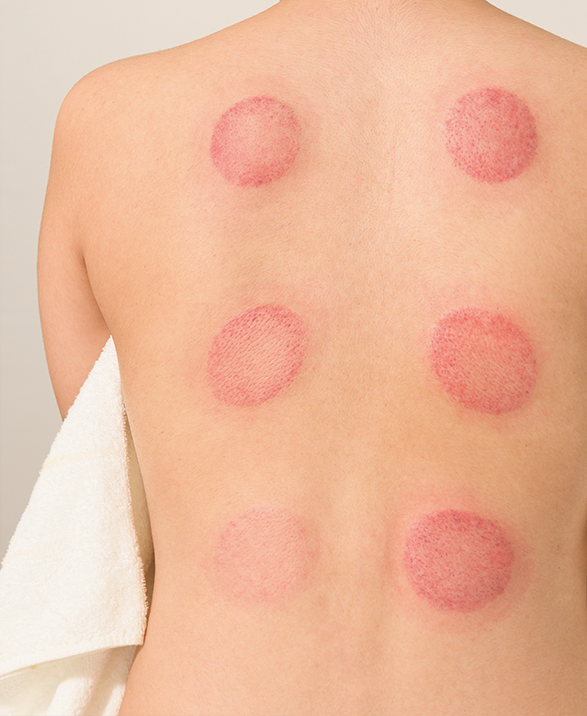
After a session, you might notice circular marks left behind where the cups were placed. These marks are often mistaken for bruises but are typically not painful or tender. They occur because of the suction drawing blood closer to the surface, which temporarily changes skin coloration.
The intensity and duration of the marks vary depending on how much suction was applied and the individual’s tissue sensitivity. Most fade within a few days to two weeks.
Common Conditions Supported by Cupping Therapy
Cupping may be included in treatment plans for a variety of conditions, such as:
- Muscle tightness or tension
- Whiplash or postural strain
- Chronic pain and stiffness
- Stress-related muscle discomfort
- Back or shoulder pain
- Iliotibial (IT) band tension
- Plantar fasciitis
Your therapist will determine if this technique is appropriate for your specific needs and goals.
Safety and Precautions
Cupping therapy is considered safe when performed by a trained practitioner. However, it may not be suitable for everyone. Avoid self-application or at-home kits without proper instruction, and do not use cupping:
- If you take blood thinners or have thin, fragile skin
- Over open wounds, bruises, or areas of recent injury
- On sensitive areas such as the front of the neck, groin, or armpits
- If you have conditions that affect healing, such as diabetes or active cancer
After treatment, avoid saunas, steam rooms, or hot tubs for several hours to allow the skin to recover naturally.
FAQ: Cupping Therapy in Winnipeg
1. How does cupping feel?
Most people describe the sensation as a gentle pulling or stretching feeling. It shouldn’t be painful, but there can be mild tightness where the cups are applied.
2. How long does a session take?
A typical cupping session lasts 10–20 minutes, often as part of a broader physiotherapy or massage appointment.
3. Is cupping therapy safe for everyone?
Cupping is generally safe when performed by a qualified professional, but people with certain medical conditions (such as skin disorders or bleeding tendencies) should avoid it or seek medical clearance first.
4. How often should I get cupping therapy?
This depends on your condition and treatment goals. Your therapist can recommend a frequency based on your comfort and response to treatment.
Book Cupping Therapy in Winnipeg
If you’re curious about whether Cupping Therapy in Winnipeg could support your recovery or wellness goals, our team at Strive Training can help. Book a session with Physiotherapist Preston Tran to experience a personalized approach that combines modern physiotherapy techniques with time-tested manual therapies.
References
- Furhad, S., Sina, R. E., & Bokhari, A. A. (October 30, 2023). Nationale Library of Medicine. Cupping therapy. https://www.ncbi.nlm.nih.gov/books/NBK538253/
- Wang, L., Cai, Z., Li, X., & Zhu, A. (October 25, 2023). Frontiers in Neurology. Efficacy of cupping therapy on pain outcomes: an evidence-mapping study. https://doi.org/10.3389/fneur.2023.1266712