
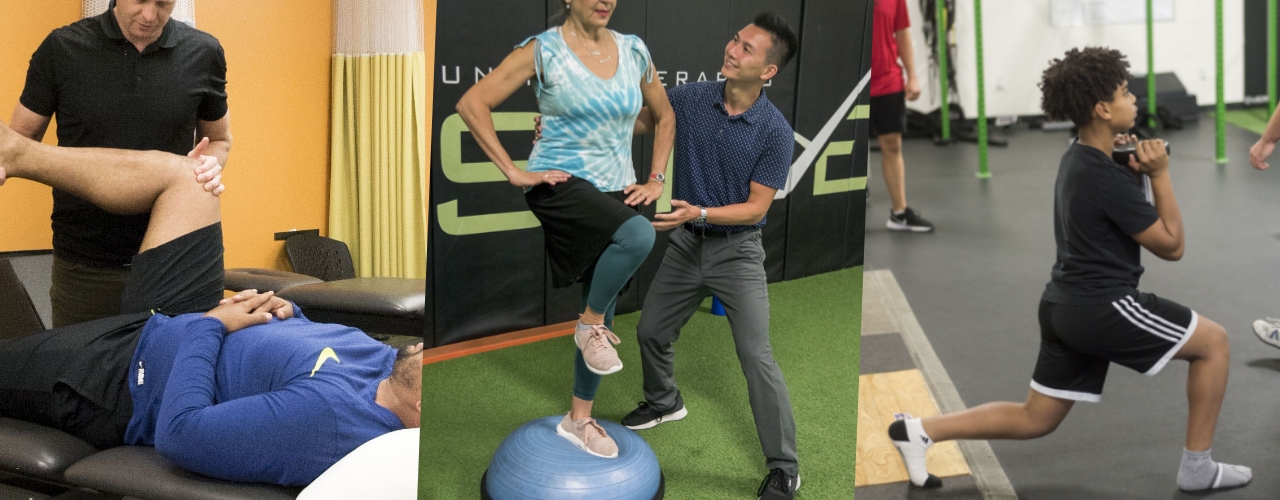
How Physiotherapy Helps Athletes Recover Faster and Prevent Injuries
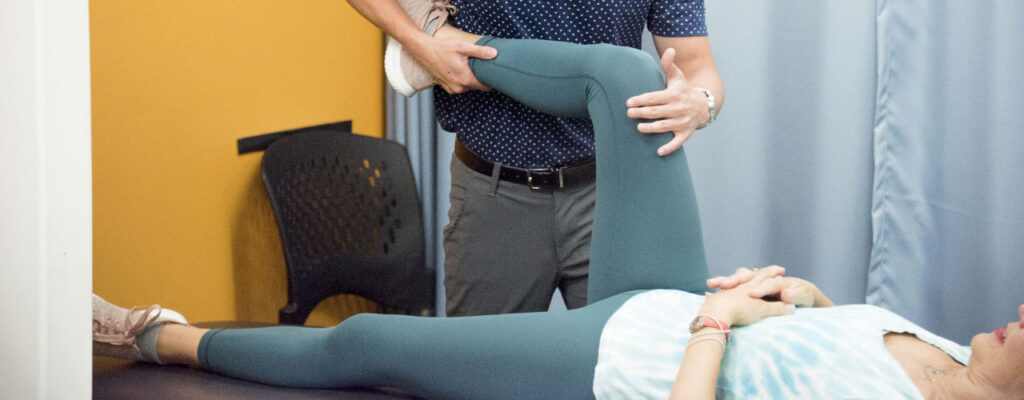
At Strive Fitness & Therapy in Winnipeg, we work with athletes of all ages who want to get back in the game efficiently, stay healthy, and perform at a high level. Physiotherapy for athletes can support injury recovery, ease pain, and reduce the risk of future issues. It combines hands-on care, exercise therapy, and performance-focused training. Whether you are a competitive teen athlete, a busy professional who loves rec league sports, or an active adult focused on longevity, a structured physiotherapy recovery plan may contribute to how well you move, feel, and perform over time.
Why Physiotherapy Matters for Athlete Recovery
Sports injury recovery is rarely about complete rest alone. At our multidisciplinary rehabilitation center, physiotherapy treatment benefits may include support with pain, mobility, and function as you move through the recovery process.
- Supporting post-injury care after sprains, strains, or joint issues through guided, progressive loading.
- Helping manage pain after shoulder surgeries with strategies that can make it easier for athletes to participate in rehabilitation, which may influence overall recovery experience and satisfaction.1
- Working toward improvements in muscle strength, joint mobility, and movement control through targeted exercise.
- Addressing compensations that may contribute to ongoing discomfort or repeat injuries.
In shoulder surgery, postoperative pain management is an important aspect of care. It directly influences recovery, satisfaction, and overall surgical success.1 At Strive Fitness, we coordinate with your care team so that pain control strategies and exercise fit together in a clear plan.
How Physiotherapy Can Support a Smoother Injury Recovery Process
How does Strive Fitness & Therapy help athlete recovery in practical terms? Our physiotherapists design individualized athlete rehabilitation programs that aim to balance protection, gradual loading, and performance needs.
1. Early, Targeted Pain and Symptom Management
After a sports injury or surgery, pain and stiffness can affect how much you move, how well you sleep, and how confidently you return to training. In the case of shoulder surgery, options such as a suprascapular nerve block have been described as providing analgesia with fewer complications than a more traditional interscalene nerve block, which can support smoother postoperative recovery and rehabilitation participation.1
At our clinic, we factor these medical decisions into a broader physiotherapy plan and focus on:
- Gentle manual therapy for soft tissue and joint stiffness when appropriate.
- Guided physical therapy exercises that respect symptoms while encouraging safe movement.
- Education on positions, supports, and activity modifications that may reduce day-to-day discomfort.
2. Restoring Joint Mobility and Muscle Strength
Periods of rest after injury or surgery can be associated with decreased joint mobility and muscle strength. This may limit athletic performance and confidence. Our physiotherapy and exercise therapy sessions focus on gradually rebuilding these foundations.
- Specific range-of-motion exercises for the affected joint.
- Progressive resistance training to support muscle strength and endurance.
- Neuromuscular control drills to work on balance, stability, and coordination.
We blend rehabilitation exercises with performance-focused work so your athlete rehabilitation program progresses from symptom management toward sport-ready strength and capacity.
3. Sport-Specific Movement Retraining
General fitness alone may not be enough for a confident return to sport. Sports injury rehabilitation tends to be most effective when it respects the specific demands of your position and activity, such as sprinting, skating, or overhead movement patterns.1
At Strive Fitness & Therapy, we often transition athletes from the treatment room into our training space, where we use:
- Drills that mirror on-field or on-court patterns.
- Progressive loading for cutting, landing, or sprinting mechanics.
- Return-to-play criteria that consider strength, symmetry, and movement quality.
This integration of physiotherapy, personal training, and sport-specific programming helps connect early rehab with long-term sports performance enhancement.
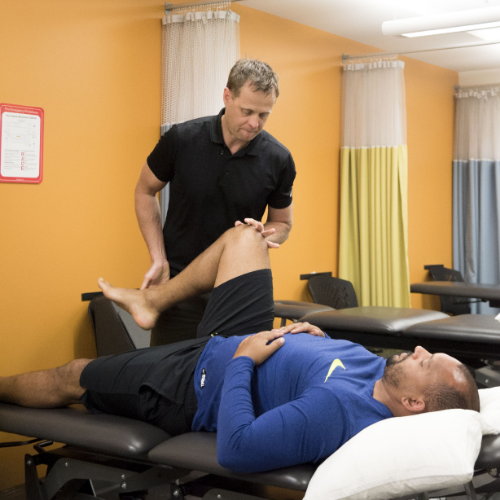
Injury Prevention for Athletes: Building Resilience Before Problems Start
Can Strive Fitness & Therapy prevent sports injuries entirely? No program can remove all risk. However, a structured injury prevention plan can help reduce the likelihood and severity of common athletic problems by improving movement capacity and load tolerance.1
Our approach to injury prevention for athletes includes:
- Screening movement patterns to identify mobility or stability limitations.
- Addressing muscle imbalances, joint stiffness, and soft tissue restrictions through targeted exercise and manual care.
- Building muscle strength in key areas such as hips, shoulders, and core.
- Teaching warm-up, cooldown, and recovery strategies that support ongoing tissue health.
We frequently integrate these principles into 1-on-1 personal training and large group training so that injury prevention becomes part of your regular athlete recovery routine.
What Makes Strive Fitness & Therapy a Strong Option for Athletes?
Our clinic brings together physiotherapy, chiropractic, massage, and athletic therapy under one roof, alongside a fully equipped training environment. This multidisciplinary setup enables us to develop a physiotherapy recovery plan that transitions from acute sports injury rehabilitation to ongoing strength and conditioning in a coordinated manner.
Some key advantages of our integrated model include:
- Personalized therapy sessions – Every athlete’s injury history, sport, and goals are different, so we design individualized programs instead of generic sheets.
- Continuity of care – You can work with the same core team as you progress from post-injury care into long-term training, which may enhance consistency and adherence.
- Holistic support – We look beyond the injured area to whole-body movement, training loads, and daily habits that may influence recovery and performance.
From sports injuries and post-surgical rehabilitation to chronic pain or work injuries, we aim to create clear, actionable plans that help you keep moving forward.
Custom Rehab Plans for Different Types of Injuries
Does Strive Fitness & Therapy offer custom rehab plans? Yes. Every athlete rehabilitation program is tailored to your diagnosis, stage of healing, sport, and schedule, so that your physiotherapy recovery plan matches real-world demands.
- Upper body injuries – For shoulder, elbow, hand, or wrist concerns, we may combine manual therapy, targeted strengthening, and sport-specific loading. We also support conditions such as frozen shoulder, hand pain, and wrist pain.
- Lower body injuries – For hip, knee, ankle, or foot issues, we focus on gait, landing mechanics, and progressive loading, including support for foot pain and hip pain.
- Pre- and post-surgical care – Our pre-surgical physiotherapy may help you approach surgery in a stronger, more prepared state, while post-surgical rehabilitation focuses on staged, safe progression back to daily life and sport.1
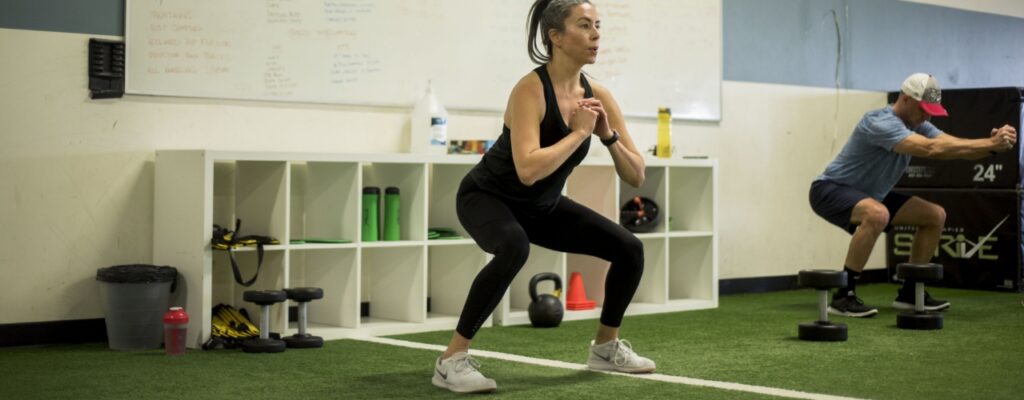
FAQ: Physiotherapy for Athletes in Winnipeg
Q: How does Strive Fitness & Therapy help athletes recover after a sports injury?
A: We combine focused pain and symptom management, progressive exercise therapy, and sport-specific retraining. By moving you from protection to active rehabilitation and then to performance training in a structured way, your body is given a supported environment to regain strength, confidence, and capacity for your sport.
Q: What types of sports injuries do you work with?
A: Our team sees a wide range of injuries. This includes acute sprains and strains, overuse issues, post-surgical cases, and longer-standing problems affecting the shoulder, back, hip, knee, ankle, hand, and foot. Plus, our sports injury rehabilitation services are available for both youth and adult athletes across many different sports.
Q: Can I keep training while I am in rehab?
A: In many cases, we adjust rather than stop your training. This may involve modifying volume or intensity, shifting to alternative conditioning, or focusing on other aspects of athletic performance while the injured area follows a more gradual injury recovery process.
Q: Do you only work with competitive athletes?
A: No. We work with competitive athletes, weekend warriors, youth athletes, and active adults who want to stay mobile and independent. Therefore, if movement and performance matter to you, our team is happy to help you build an athlete recovery and injury prevention plan that fits your goals.
Ready to Start Your Recovery?
If you are dealing with a new sports injury, recovering from surgery, or looking to reduce your risk of future problems, our team at Strive Fitness & Therapy is ready to help you create a clear, practical plan.
Book an Appointment today to begin your athlete recovery journey with a team that combines physiotherapy, strength training, and long-term performance support.
Learn more about our services at strivetraining.ca.
References
- Kaye AD, et al. Efficacy and Emerging Role of Suprascapular Nerve Block for Pain Management after Shoulder Surgeries. Curr Pain Headache Rep. 2025. doi:10.1007/s11916-025-01456-2