
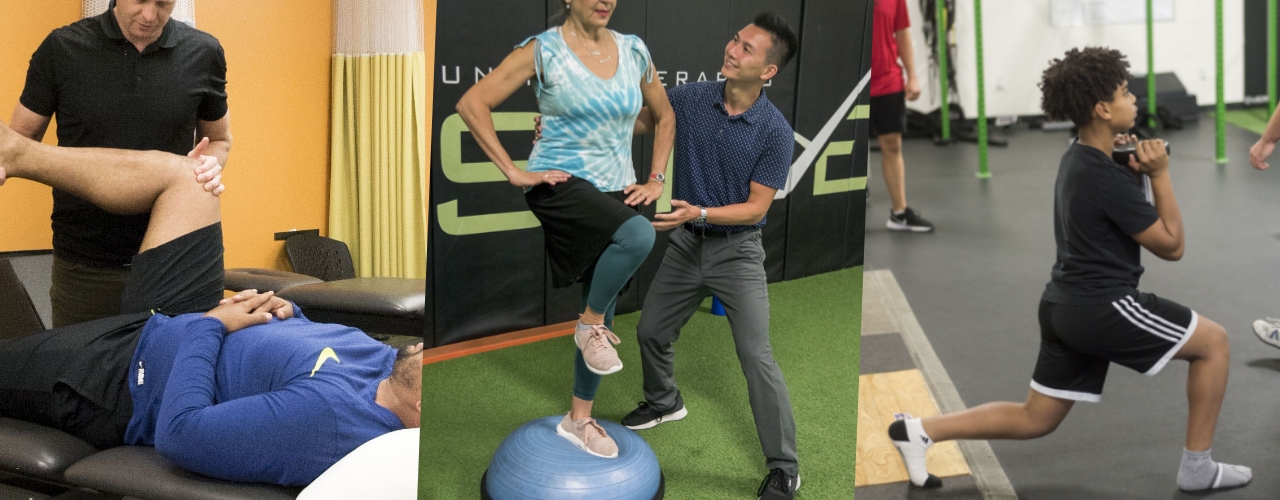
Physiotherapy After Surgery: Your Road to Recovery
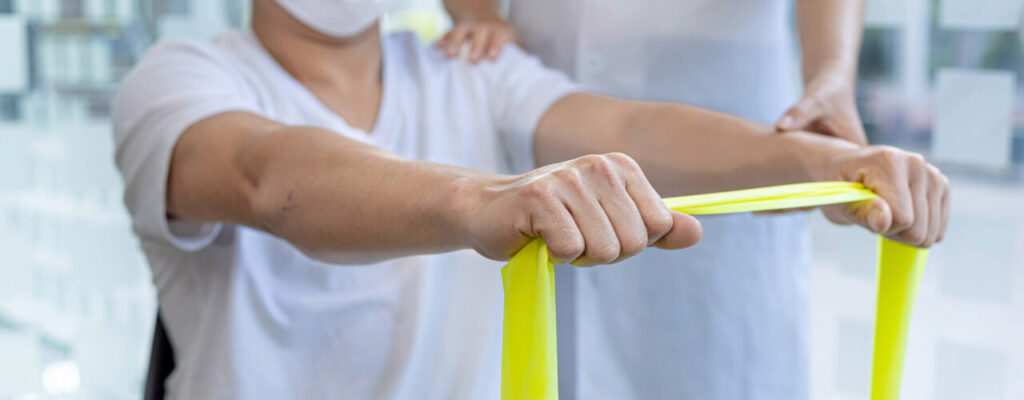
Are you scheduled for an upcoming orthopedic surgery? Your surgeon has probably told you that you’ll need to undergo rehabilitation afterward to improve the outcome of your procedure. But what exactly does physiotherapy after surgery entail? What can you expect during your appointments?
Never fear! The team at Strive Fitness and Therapy is here to answer all your questions. And if you’re still curious about the process, don’t hesitate to call the friendly staff at our Winnipeg, MB clinic.
Why Should I Utilize Physiotherapy After Surgery?
Post-operative rehabilitation offers several benefits, the most important of which is that it helps ensure your operation is a success! Early movement is critical in preventing scar tissue formation, which can cause long-term issues with pain and restricted mobility.
Physiotherapy also offers a drug-free alternative to pain medication, especially later on in rehabilitation. It helps restore strength, mobility, and function to the impacted area.
What Happens During Post-Operative Rehab?
Treatment techniques will vary depending on what stage you’re at in your recovery.
Acute Phase (One Week After Surgery)
- During the acute phase, the main focus is on healing the surgical site. Physiotherapy can help with pain management, swelling reduction, and early movement. We can also help you adjust to any slings or mobility aids.
Healing Phase (Two to Four Weeks After Surgery)
- Although your body’s still healing from the surgery, you’re well enough to begin outpatient physiotherapy. We’ll begin working on simple mobilization exercises and offer manual therapy techniques to help with pain.
Movement Phase (Four To Seven Weeks After Surgery)
- At this point, you’ll increase the intensity of your exercises as you work to improve mobility and range of motion. This is also the point at which we begin incorporating strengthening exercises.
Function Phase (Eight Weeks After Surgery)
- By this point, physiotherapy after surgery focuses on restoring your functionality, ensuring you can perform the movements and activities you need and want to do. We might work with you to improve balance or gait and help train you on sports-specific movements. We’ll also provide you with a return-to-activity schedule to safely return to what you love.
What Techniques Do We Use in Post-Surgical Rehabilitation?
Physiotherapy offers a wealth of proven interventions, and we incorporate all of them into our rehab programs. That said, we tailor our program to meet the specific needs of each patient.
Here are some of the techniques we might use in physiotherapy after surgery:
Manual Therapy
- This includes hands-on techniques such as soft tissue massage and joint mobilization to reduce pain and improve movement.
Pain-Relieving Modalities
- Several treatment modalities, including hot and cold therapy, electrical stimulation, ultrasound, and more, help manage acute pain and may facilitate healing.
Mobility Exercises
- Stretches and other mobility exercises help improve your range of motion and make it easier to move overall.
Strengthening Exercises
- We’ll help restore strength in your affected muscles–and may even help you get stronger than before the injury or condition that necessitated surgery in the first place!
Balance Training
- If your surgery (e.g., a total knee or hip replacement) affects your balance or walking patterns, we’ll help restore your balance and stability to prevent falls.
Surgery on the Horizon? Don’t Forget Physiotherapy
The team at Strive Fitness and Therapy is excited to help you make the most of your surgical procedure. If you’re scheduled to undergo orthopedic surgery, make sure to call our Winnipeg, MB clinic now to set up an appointment. We’ll work with you and your surgical care team to develop a comprehensive rehabilitation program now so you’ll be ready to get started once you’re out of the hospital.