
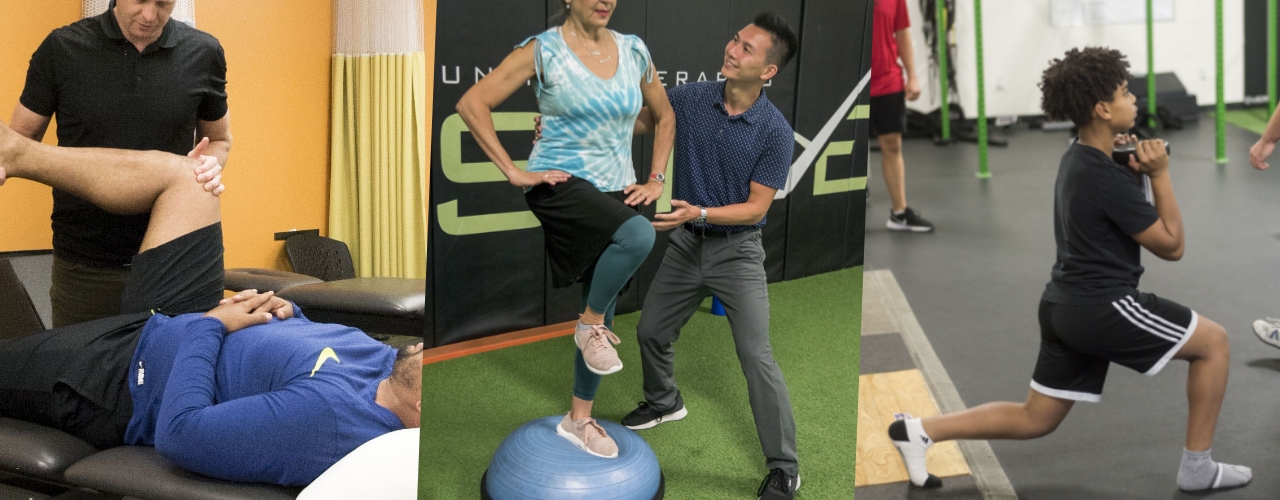
Recovering from an ACL Tear: Your Physiotherapy Roadmap
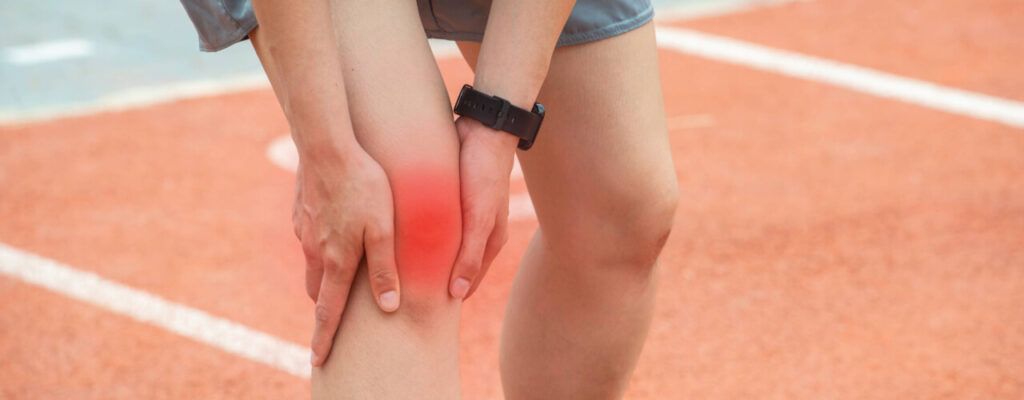
One of our patients–let’s call him John–recently tore his ACL (anterior cruciate ligament). While it was, fortunately, mild enough that he didn’t need to undergo an ACL reconstruction surgery, our team of physiotherapists did play an essential role in his ACL tear recovery.
Your ACL is a ligament located in the front of your knee. It helps stabilize the knee joint, but it can be prone to injury, especially if you’re an athlete. In fact, ACL tears are one of the most common sports injuries. The sudden pivoting or cutting movements in many popular spots can put a great deal of stress on the ACL, causing it to tear, either partially or completely.
ACL tears often require surgical intervention, especially if the ligament ruptures completely or you’re an athlete who needs your knee to function fully. In mild cases, physiotherapy alone is enough to rehabilitate your injury. But if you require surgery, our team is here to help you after your procedure.
Want to learn more about ACL tear recovery? Keep reading!
Understanding ACL Injuries and Recovery Options
An ACL injury can range from a mild strain to a complete rupture, and the appropriate ACL tear treatment depends on the severity of the injury and your activity goals. A detailed ACL injury assessment helps determine whether conservative ACL physiotherapy or post-surgery rehabilitation is the best path forward.
In many cases, structured ACL rehabilitation can restore knee ligament support without surgery. For more severe injuries, a guided ACL rupture recovery program focuses on restoring joint stability, movement confidence, and long-term knee health.

What To Expect During Your ACL Tear Recovery
ACL tears can be extremely painful and dramatically impact your knee’s range of motion and function. For that reason, we typically begin treatment with manual therapy techniques that help manage pain, facilitate the healing process, and gradually improve mobility. For example, we might guide your knee through its current range of motion or manipulate the surrounding soft tissue.
Pain, Swelling, and Early Movement Restoration
Early in ACL recovery, pain management techniques and swelling reduction are essential. Excess swelling can limit range of motion improvement and delay muscle activation, making early intervention critical. Techniques such as soft tissue mobilization, gentle manual therapy, and controlled movement help reduce discomfort while supporting the healing process.
Managing pain also helps prepare your body for the next step in your ACL tear recovery: swelling control and therapeutic exercise. We’ll begin with activities and exercises to reduce any swelling and improve your range of motion. These techniques, stretches, and simple movements can also help reduce pain.
Building Strength and Joint Stability
As mobility improves, ACL rehabilitation progresses into strengthening exercises designed to protect the knee. Quadriceps conditioning restores knee control, while hamstring strengthening helps reduce strain on the ACL. A controlled exercise progression ensures the knee adapts safely, improving joint stability while minimizing the risk of reinjury.
As your swelling and range of motion improve, we’ll move on to strengthening exercises. Strengthening the muscles that support and stabilize your knee is essential, as this takes pressure off the joint and helps improve its stability. As a bonus, strong legs can also help prevent a future ACL tear!
Balance, Proprioception, and Movement Control
Balance training and proprioception exercises help retrain your body’s awareness of knee position and movement. This stage of recovery addresses coordination, patellar tracking, and movement efficiency. Gait training may also be introduced to restore proper walking mechanics and improve overall movement confidence.
By this point, you’re probably starting to feel like your old self–but your rehabilitation still isn’t finished. We’ll begin working with you on dedicated balance training and proprioception exercises so you can stay on your feet.
Finally, we’ll work with you on functional training, which focuses on your ability to perform everyday movements and activities. This step is crucial for athletes, who need to prepare their bodies for the demands of their chosen sport.

Returning to Sport and Preventing Future ACL Injuries
Functional movement training and sport-specific drills prepare the knee for higher-level demands. These drills emphasize proper mechanics, reaction time, and controlled loading. An individualized injury prevention program supports long-term knee health and helps reduce the risk of future ACL injuries.
Ready to Start Your Journey to ACL Tear Recovery?
Our rehabilitation process is similar whether or not you’ve undergone surgery. In both cases, we help reduce pain, improve mobility, restore strength and balance, and work to get you back to the activities you love.
To learn more about what we can do to help you rehabilitate after an ACL tear or ACL reconstruction surgery, schedule an appointment with the team at Strive Fitness and Therapy.
ACL Recovery FAQs
How long does ACL recovery typically take?
ACL recovery time varies depending on injury severity and treatment approach. Non-surgical ACL recovery may take several months, while post-surgery rehabilitation often takes 6–12 months.
What exercises help after ACL surgery?
Exercises often include range of motion work, quadriceps and hamstring strengthening, balance training, and gradual functional movement progression.
How can physiotherapy improve ACL recovery outcomes?
Physiotherapy improves outcomes by restoring joint stability, improving movement quality, managing pain and swelling, and reducing re-injury risk.
What techniques reduce swelling after ACL injury?
Swelling reduction techniques may include manual therapy, compression strategies, and controlled exercise progression.
When is it safe to return to sports after ACL rehab?
Return to sport depends on strength, balance, movement quality, and functional testing—not just time.