
Reducing Pain After Surgery: Physiotherapy Techniques
Orthopedic surgeries, such as total joint replacements or ACL repairs, can be life-changing–but they can also be extremely painful. However, it’s understandable that you may want to limit the use of pain medication, especially a few weeks out from your procedure. Fortunately, physiotherapy offers several options for reducing pain after surgery.
You probably already know that physiotherapy plays a vital role in post-surgical rehabilitation. Many people assume that role is limited to helping you restore strength and function. Fewer people realize that pain management is part of the process, too.
Today, we want to explore how physiotherapy at Strive Fitness and Therapy helps with reducing pain after surgery–in both the short term and the long term. Want more personalized guidance? Call our clinic. We’d be happy to answer any questions.
The First Few Weeks: Reducing Pain Immediately After Surgery
In the first few weeks after surgery, your body needs gentle yet targeted care to reduce pain and support your body’s healing processes. Physiotherapy provides a structured approach to help you regain strength and mobility while minimizing discomfort.
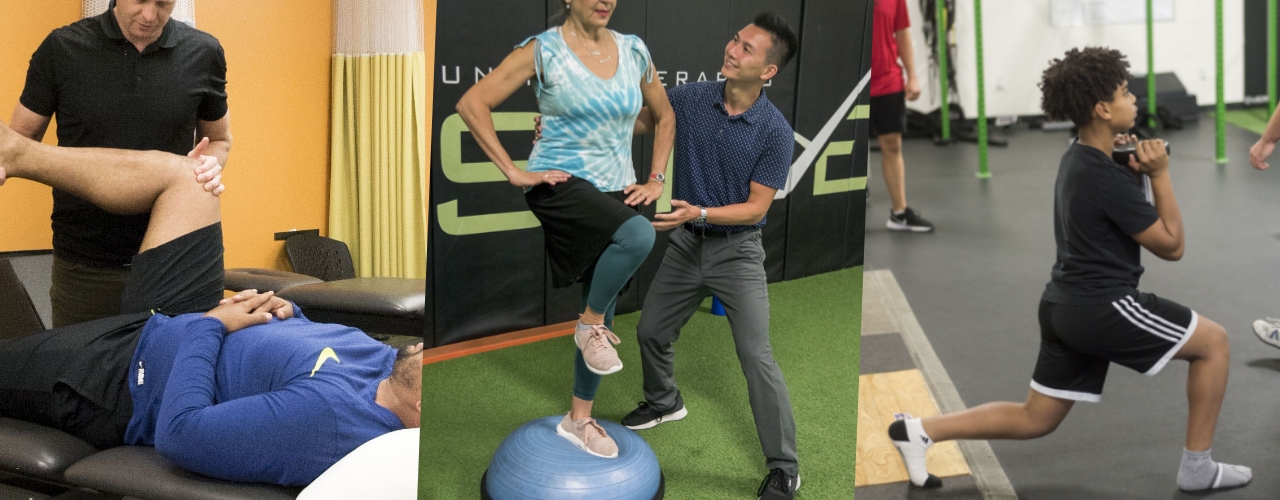
One essential method for reducing pain after surgery is manual therapy. This hands-on technique involves one of our physiotherapists gently manipulating your muscles and joints to improve blood flow and reduce stiffness. By enhancing circulation, manual therapy helps to facilitate the healing process and alleviate pain.
Ice and heat therapy are also commonly used in post-surgical rehabilitation. Applying ice packs to the affected area in 15-minute bursts helps to reduce the pain. Conversely, heat therapy can relax tight muscles and improve mobility. We might also incorporate other non-invasive pain-relieving modalities like ultrasound therapy and electrical stimulation.
We’ll also share our knowledge about proper movement techniques, helping you find safe ways to perform daily activities without putting unnecessary strain on your healing body. If you require a mobility aid, we’ll make sure you use it correctly, too.
Finally, it’s important to note that therapeutic exercises also play a crucial role–even this early on! We carefully choose exercises to match your specific needs and surgical site. For instance, after knee surgery, you might start with simple ankle pumps and getting up and moving around to prevent blood clots and reduce swelling.
Looking Ahead: Reducing Pain Long-Term
While physiotherapy is obviously essential in helping you manage pain immediately after surgery, it also helps with a potential complication of many orthopedic surgeries: avoiding chronic (long-term) pain.
One reason we begin movement as soon as possible after surgery is that it helps prevent the formation of scar tissue. High levels of scar tissue can restrict mobility in the affected area and cause pain long after you’ve recovered from your surgery. By putting in the work now, you can help improve your surgery’s outcomes for years to come.
Post-operative physiotherapy also helps you restore strength in the affected area–sometimes even increasing it beyond where it was when you went in for your procedure! By building strength in the muscles and tissues around an affected joint (for example, your new prosthetic knee), you remove stress from that joint–which means less pain and greater function.
Start Thinking About Post-Surgical Pain Management Now!
Are you scheduled for an orthopedic surgery? Now’s the best time to schedule an appointment with Strive Fitness and Therapy. We’ll work with you and your surgical team to develop a post-operative rehabilitation plan, including a complete pain management program. Physiotherapy can help you taper off drug medications earlier, reducing your risk of dependency. But it can also help you avoid chronic pain and mobility issues.
Contact our clinic today to get started.