
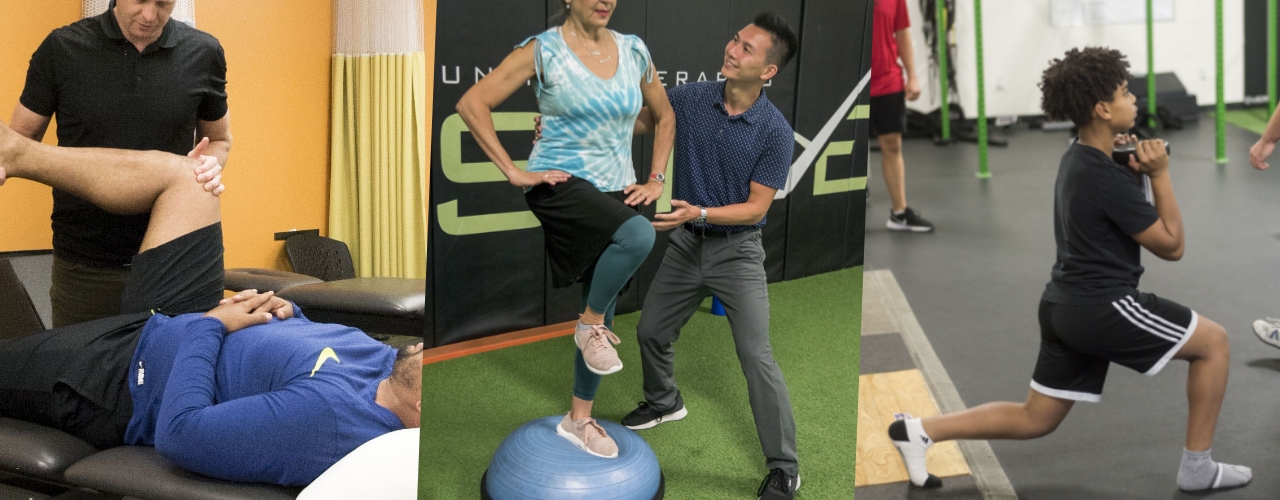
Regaining Range of Motion After Surgery
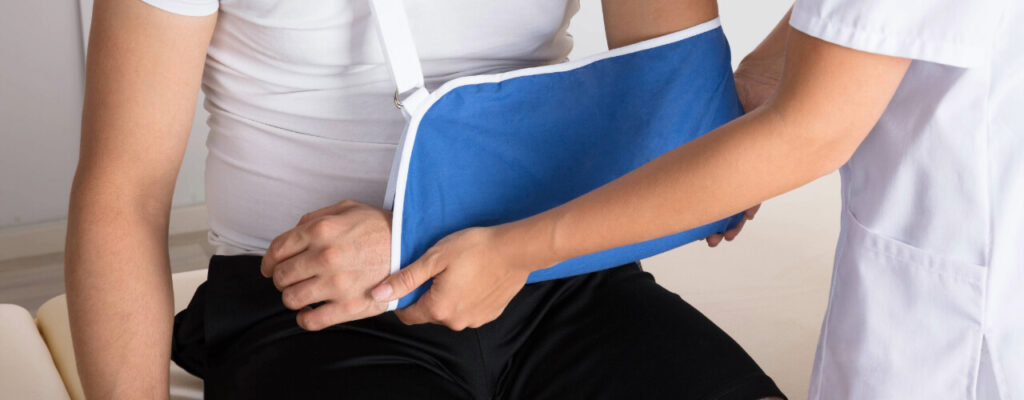
Restore your mobility after surgery! Regaining post-surgery range of motion is essential for returning to your daily activities and enjoying life without limitations. Understanding specific exercises, stretches, and techniques can help you safely increase your range of motion and achieve a full recovery.
Understanding Post-Surgery Range of Motion
It’s common to experience stiffness, pain, and limited mobility after surgery. These issues can significantly impact your quality of life, making it challenging to perform everyday tasks. Post-surgery range-of-motion exercises are designed to address these problems by improving flexibility, reducing pain, and enhancing overall joint function.
The Importance of Physiotherapy in Post-Surgery Recovery
Physiotherapy is crucial in restoring mobility after surgery. It provides a structured and personalized approach to rehabilitation, ensuring that you regain strength and flexibility safely and effectively. Our Trinity Physical Therapy physiotherapists use a variety of techniques to help patients achieve their recovery goals.
Passive Range of Motion (PROM)
- Passive range of motion exercises involves our physiotherapist or using something to help you move your joint through its range without any effort from you. This helps maintain joint mobility and prevents stiffness, especially during the early stages of recovery when active movement may not be possible.
Example: A physiotherapist gently moves a patient’s arm to maintain shoulder motion while minimizing discomfort.
Active Assisted Range of Motion (AAROM)
- Active-assisted range of motion exercises require you to move the joint actively with some assistance from a physiotherapist or a device. This helps improve your motion and begin to restore control in the affected area, bridging the gap between passive and active exercises.
Example: Using a pulley system to assist with lifting the arm, gradually taking on more movement as you heal and your strength improves.
Active Range of Motion (AROM)
- Active range of motion exercises involve moving the joint entirely by yourself. These exercises focus on initiating the strengthening of the muscles around the joint and improving coordination, which is essential for full functional recovery.
Example: Performing shoulder raises and rotations independently to achieve full movement without assistance.
Differences Between Static and Dynamic Stretching
Stretching plays a vital role in regaining range of motion. It helps improve flexibility and reduce stiffness. There are two main types of stretching:
Static Stretching
- Static stretching involves holding a stretch for a prolonged period, usually 15-30 seconds. This type of stretch helps improve joint range of motion and increase flexibility, which is crucial for joint function.
Example: Holding an arm stretch across the chest to lengthen shoulder muscles.
Dynamic Stretching
- Dynamic stretching involves moving parts of your body through a full range of motion in a controlled manner. These stretches are usually done before physical activity to prepare the muscles and joints.
Example: Performing arm circles to warm up shoulder muscles before engaging in more intensive exercises.
Techniques to Enhance Post-Surgery Range of Motion
In addition to exercises and stretches, several techniques can enhance recovery and improve range of motion:
Manual Therapy
- Our physiotherapists use hands-on techniques to mobilize joints and soft tissues. This can help reduce stiffness and improve mobility, ensuring the joint moves smoothly.
Example: Joint mobilizations to increase its range of motion and decrease pain.
Modalities
- Various modalities, such as heat, ice, and electrical stimulation, can help reduce pain and improve circulation to facilitate better movement.
Example: Applying heat before exercises helps relax muscles, making it easier to perform range of motion exercises.
Patient Education
- Educating patients about their condition and recovery process empowers them to participate actively in rehabilitation. Understanding the importance of posture, movement patterns, and exercise techniques is key to a successful recovery.
Example: Learning the importance of maintaining proper posture to avoid unnecessary strain on the healing joint.
When to Seek Professional Help
While some stiffness and pain post-surgery are normal, certain signs indicate that professional help is necessary. It’s important to contact your physiotherapist if you experience:
Persistent Pain:
- If pain does not improve or worsen over time.
Severe Swelling:
- Excessive swelling that does not subside with rest and ice.
Loss of Function:
- Inability to perform daily activities despite following your rehabilitation program.
We’ll assess your condition and adjust your treatment plan to address any issues that arise during your recovery.
Take Action Today
Contact Strive Fitness and Therapy in (Town) to schedule an appointment with our experienced physiotherapists. We’ll create a personalized plan to help you restore mobility, reduce pain, and get back to your favorite activities!