
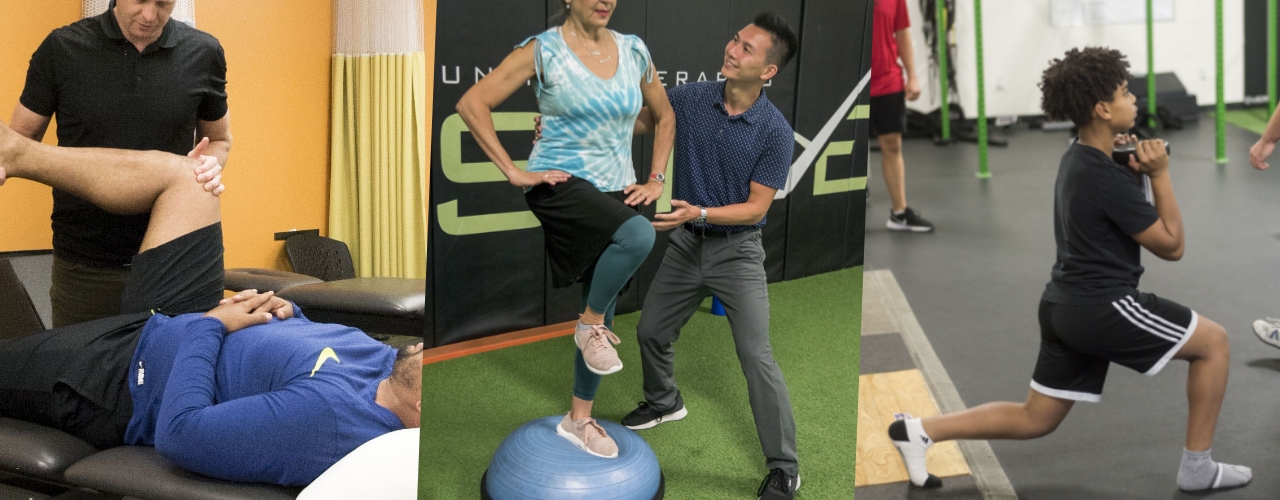
The Benefits of Pre-surgical Rehab: Why It Matters

If you’re preparing for an upcoming procedure such as a knee replacement, hip replacement, ACL reconstruction, or shoulder surgery, what you do before surgery can significantly influence your recovery.1 Enter pre-surgical rehab or pre-surgery physiotherapy, often referred to as prehab.
Prehab focuses on preoperative conditioning to improve strength, mobility, and overall readiness before your procedure. At Strive Training, our pre-surgical rehabilitation center approach prioritizes performance-based preparation to improve operative outcomes and reduce surgery recovery time.
Learn all about why pre-surgical rehab matters when it comes to recovery, and how our team of clinicians can help.
1. Improves Strength Before Surgery
A structured pre-surgical strength program builds resilience in the muscles that support the affected joint. Whether you’re preparing for joint replacement preparation or ACL reconstruction preparation, resistance training helps maintain muscle mass and neuromuscular control.
For example:
- Before knee replacement or ACL reconstruction, strengthening the quadriceps and hamstrings improves knee stability.
- Prior to hip replacement, glute and core strengthening supports post-operative gait mechanics.
- Before shoulder surgery, scapular stabilization and rotator cuff conditioning enhance post-surgical control.
Research consistently shows that patients who enter surgery stronger tend to experience better operative outcomes and faster functional recovery.
2. Reduces Pre-Surgery Pain and Inflammation
Pre-surgery pain management is another major benefit of prehab. Guided stretching exercises, balance training, posture correction, and controlled functional training can reduce compensatory movement patterns that aggravate pain.
In some cases, electrical stimulation therapy may be used to support muscle activation and circulation. By addressing irritation before surgery, patients often report lower pain levels immediately post-op compared to those who did not complete preoperative conditioning.
3. Improves Mobility and Movement Efficiency
Limited range of motion before surgery can slow post-operative progress. Pre-surgery physiotherapy focuses on restoring mobility through targeted stretching exercises and functional training tailored to your procedure.
For knee or hip replacement preparation, this may include:
- Controlled squatting variations
- Step-based strengthening drills
- Hip mobility work
- Balance training to improve joint control
Improved pre-operative mobility often translates to a smoother early-stage recovery.
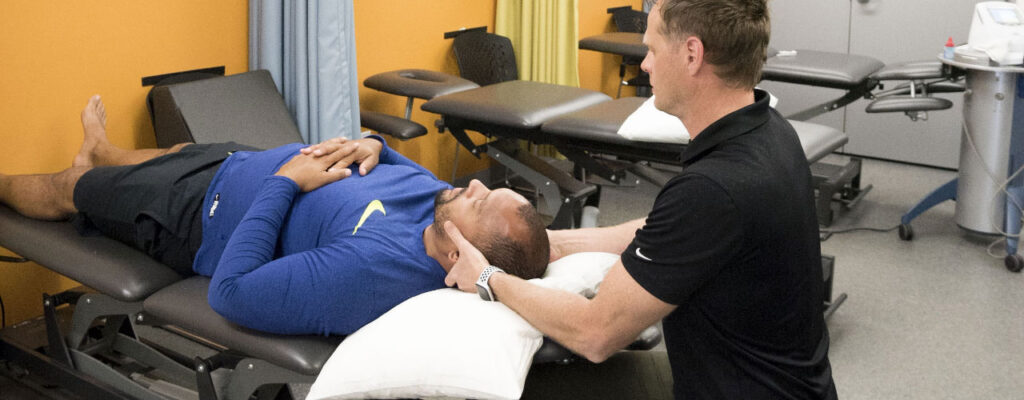
4. Shortens Surgery Recovery Time
One of the most important benefits of prehab vs rehab alone is recovery speed. Patients who complete a structured pre-surgical strength program typically regain mobility, independence, and strength faster after surgery.
Why? Because:
- Muscles are already conditioned
- Movement patterns are practiced in advance
- The nervous system is primed for rehabilitation
- Patients understand their post-op exercises ahead of time
This preparation can significantly reduce overall surgery recovery time.
5. Builds Confidence and Sets Clear Expectations
A physical therapist consultation before surgery helps you understand:
- What to expect immediately after surgery
- Which exercises you’ll perform during early rehab
- How to safely progress activity
Education reduces uncertainty and builds confidence, both of which positively influence recovery adherence and long-term outcomes.
Benefits of Prehab vs Rehab
Simply put, rehab happens after surgery and prehab happens before. The key difference is timing and purpose:
Prehab (Pre-Surgical Rehab):
- Focuses on preoperative conditioning
- Builds strength before tissue trauma
- Reduces pre-surgery pain
- Prepares the nervous system and muscles
- Aims to improve operative outcomes
Rehab (Post-Surgical Rehabilitation):
- Restores function after surgery
- Addresses swelling and tissue healing
- Rebuilds strength from a reduced baseline
Patients who complete both typically experience superior results compared to rehab alone.
FAQs About Pre-Surgical Rehab
What is pre-surgical rehab and why is it important?
Pre-surgical rehab is a structured physiotherapy program completed before surgery to improve strength, mobility, and movement efficiency. It is important because stronger, better-conditioned patients often experience improved operative outcomes and shorter surgery recovery time.
How does prehab reduce post-surgery pain?
Prehab may reduce post-surgery pain indirectly by improving strength, joint function, and confidence with movement, which can make it easier to start early rehab after surgery. Early, well-guided mobilization after operations has been linked with fewer complications and appears safe when protocols are followed.3
Which exercises should I do before knee or hip surgery?
Common elements of a pre-surgical strength program before knee or hip replacement include quadriceps and glute strengthening, core stability, hip and knee mobility work, and balance training. The specifics depend on your pain, mobility, and surgeon’s recommendations. At our pre-surgical rehabilitation centre, we tailor your exercises through individualized physiotherapy and, when helpful, supervised large group training or 1-on-1 coaching.
How does strength training improve surgical outcomes?
Strength training may help by improving how easily you can walk, climb stairs, and perform daily tasks. Exercise-based prehabilitation programs have been linked to improved walking distance and cardiorespiratory fitness around the time of surgery, which can support your ability to participate in rehab and daily activity.1 Stronger muscles may also better support and protect the joint or area being operated on during your recovery.
What’s the difference between prehab and rehab?
Prehab happens before surgery and focuses on joint replacement preparation, building strength, improving mobility, and learning key movements and pain-management strategies. Rehab happens after surgery and focuses on healing tissues, restoring movement, and safely progressing strength and function. We’ll guide you through both phases, beginning with physiotherapy and transitioning you into ongoing strength & conditioning, sport-specific, or functional training as you recover.
Book a Pre-Surgical Rehab Consultation With Our Team
If you have a surgery scheduled and want to feel more prepared, our team is ready to help you build a plan that fits your timeline, your body, and your goals. Book an Appointment with our Strive Fitness & Therapy team to get started with pre-surgical rehab in Winnipeg.
References
- Díaz-Vidal P, et al. Effect of preoperative prehabilitation on the 6-minute walk distance and postoperative outcomes in adult patients: meta-analysis. BJS Open. 2025. doi:10.1093/bjsopen/zraf162
- Wang H, et al. Efficacy and Safety of Electroacupuncture for Pain Alleviation in Post-Total Knee Arthroplasty Patients: A Systematic Review and Meta-Analysis. Med Sci Monit. 2026. doi:10.12659/MSM.951091
- Li F, et al. Effectiveness and safety of early rehabilitation in the prevention of postoperative complications after craniotomy: a systematic review and meta-analysis. Neurosurg Rev. 2026. doi:10.1007/s10143-025-04034-7