
The Ultimate Guide to Group Fitness Classes at Strive Training
Group fitness classes can be one of the most enjoyable ways to build strength, improve cardio, and stay consistent with exercise, especially when you have coaching, structure, and a supportive community around you. At Strive Fitness & Therapy in Winnipeg, we design our group training to blend performance, injury prevention, and long-term health benefits so you can train with confidence at any stage of life.
Why Choose Group Fitness Classes at Strive?
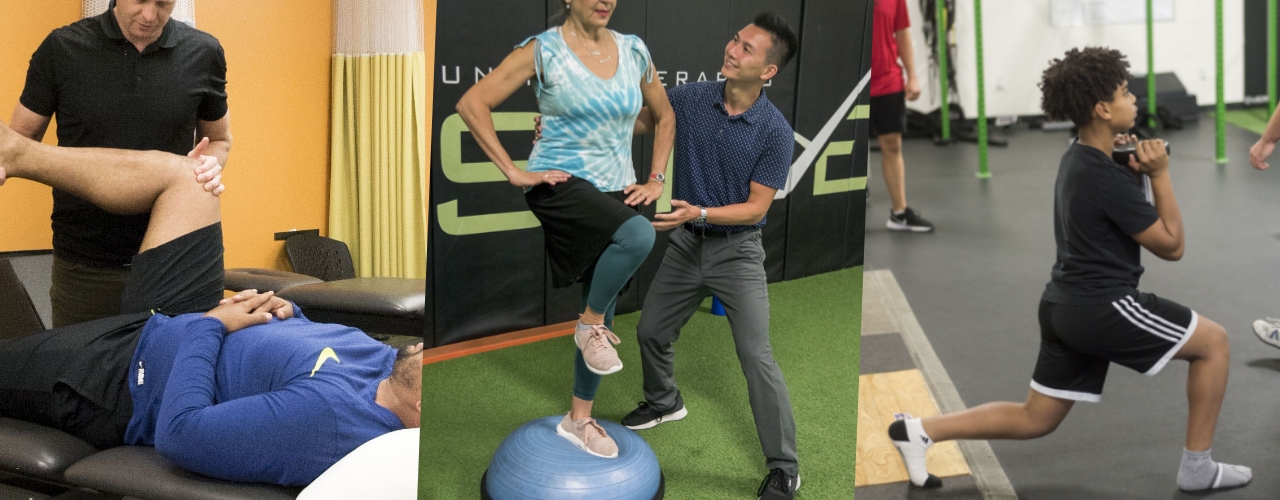
At our clinic, group fitness classes are not “one-size-fits-all bootcamps.” We combine the knowledge of our physiotherapy, chiropractic, massage, and athletic therapy team with structured training so you can work hard while still respecting your body and any injuries or limitations you may have.
Many of our clients first see us for physiotherapy after pain, surgery, or sports injuries, then transition into our large group training or personal training as they get stronger. This continuity helps you maintain progress instead of starting over each time you join a new program.
Our group classes may help if you:
- Want structured workouts without planning everything yourself
- Prefer working out with others for accountability and motivation
- Are returning from injury and want guidance so you don’t overdo it
- Are an athlete or active adult who wants performance-focused training in a safe environment
The Science: How Group Training May Support Your Health
Regular, consistent exercise is closely linked with better heart and lung fitness, which can support everyday energy and long-term health. Research shows that even moderate, steady-paced classes can contribute positively to how your heart and lungs function over time.2 A well-designed mix of intensities, like the variety we build into our group fitness classes, may help support fitness gains across all age groups.3
Types of Group Fitness Classes at Strive
Our group classes at Strive Fitness & Therapy are built to support a wide range of goals, from injury rehab to sports performance.
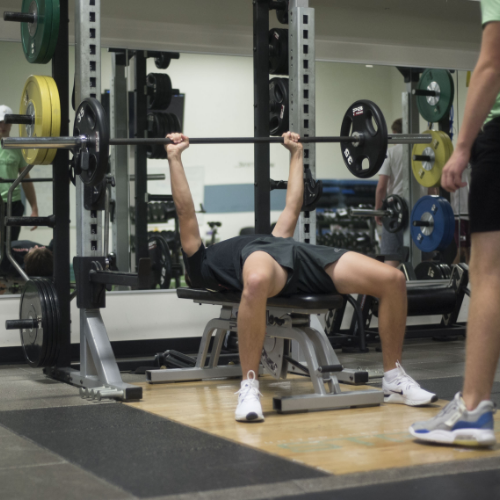
- Strength Lifts: Focuses on static and dynamic movement training, power development, functional strength training, and conditioning.
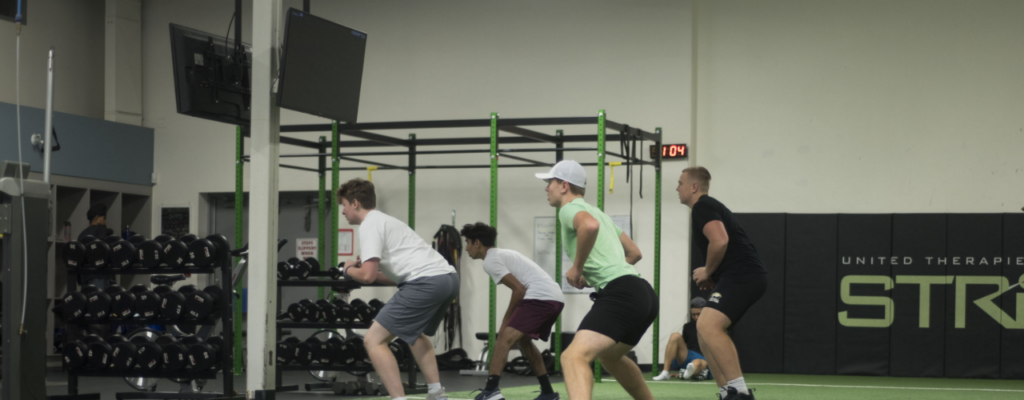
- AfterBurn: A HIIT (high intensity interval training) session that pushes the cardiovascular and muscular system to the limit. By far the most taxing fitness class offered at Strive, attendance at AfterBurn requires mastery of skills and movements covered in the Strength Lifts training sessions.
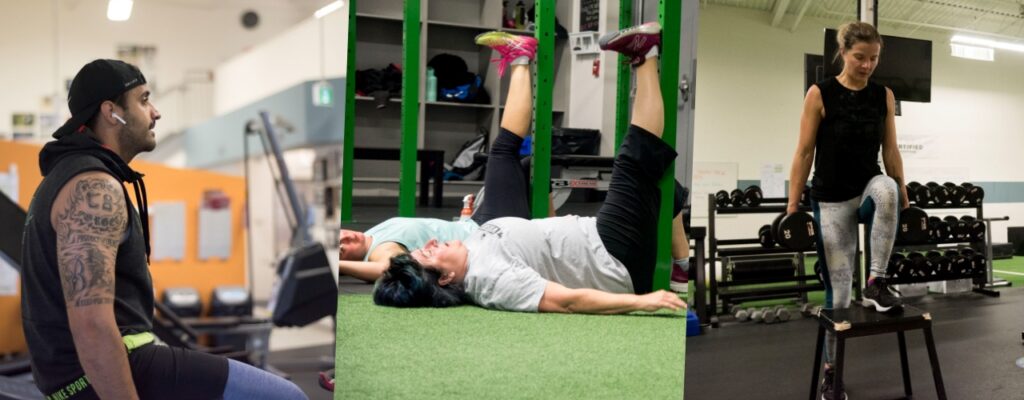
- Movement Flow: A class that targets every joint in your body and is designed for joint and tissue health and resiliency. The focus is on improving mobility while increasing your ability for control movement, reducing the risk of injury, and improving recovery.
Because we are a multidisciplinary clinic, we can easily coordinate your group training with manual therapy, chiropractic, or massage so that your training and treatment sessions work together.
How We Keep Group Classes Safe and Adaptable
Our experienced coaching and therapy team understands that many people who join group fitness classes are dealing with real-world limitations such as hip pain, frozen shoulder, wrist issues, or lingering sports injuries. At our clinic, we pay close attention to these factors.
- Screening and conversation: We talk through your history, including work injuries, surgeries, or ongoing issues like chronic pain or sports injuries, and recommend whether group fitness, 1-on-1 personal training, or a mix might be best.
- Exercise options: Every workout includes variations so you can work around concerns such as hip pain, foot pain, wrist pain, or frozen shoulder while still getting a productive session.
- Close coaching: Class sizes are designed so our coaches can watch form, make real-time adjustments, and keep you working at an intensity that fits your current fitness and recovery needs.
Group Classes vs 1-on-1 Training: Which Is Right for You?
Both group fitness classes and 1-on-1 personal training can be valuable, but they serve slightly different needs.
- Group fitness classes may be ideal if you are generally healthy, cleared for exercise, and enjoy working alongside others with a coach leading the session.
- 1-on-1 personal training at our clinic may fit better if you are early in your rehab journey, have a complex history of injuries or surgeries, or prefer more detailed, individualized coaching before joining larger groups.
Getting Started with Group Fitness at Strive
If you’re new to exercise or returning after time away, it’s normal to feel nervous about joining a class. We keep the process straightforward and supportive.
- We start with a conversation about your goals (pain relief, weight management, strength, sport performance, or general health).
- We review your medical and injury history, including any surgeries and issues such as hand pain or foot pain, to match you with the right program.
- If needed, we may suggest starting with targeted sessions like chronic pain management or sports injuries treatment before moving into more intense group fitness classes.
From there, we guide you through progressive workouts that can grow with your fitness, whether your focus is health, performance, or both.
FAQ: Group Fitness Classes at Strive Fitness & Therapy
Are your group fitness classes suitable for beginners?
Yes (with the exception of AfterBurn classes). We regularly work with people who are brand new to structured training. Our coaches explain each movement, offer easier or harder variations, and help you find a pace that feels challenging but manageable. If you are unsure where to start, we can blend group classes with a short block of 1-on-1 training to build confidence.
Can I join classes if I have pain or an old injury?
In many cases, yes. Because we are a multidisciplinary health and performance clinic, we can first assess your situation through physiotherapy or athletic therapy, address pain drivers, and then adapt group workouts around your limitations. For more complex issues, we may recommend starting with treatment and individualized training before transitioning into larger groups.
How often should I attend group fitness classes?
For most people, attending group classes two to four times per week is a realistic starting point, especially when combined with walking or other light activity between sessions.2,3 We can help you find a schedule that fits your lifestyle and recovery.
What if I am preparing for or recovering from surgery?
We support many clients through the surgical journey. Exercise-based prehabilitation has been associated with improved walking distance and cardiorespiratory fitness before and in the first month after surgery, which may be helpful for recovery.1 We typically pair pre-surgical physiotherapy or post-surgical rehabilitation with carefully chosen exercises and, when appropriate, a gradual return into group fitness.
Learn More About Group Fitness Classes at Strive
If you are ready to experience structured, supportive group fitness in a clinic environment that understands both rehab and performance, you can Book an Appointment with our team to get started.
Visit Strive Fitness & Therapy
References
- Díaz-Vidal P, et al. Effect of preoperative prehabilitation on the 6-minute walk distance and postoperative outcomes in adult patients: meta-analysis. BJS Open. 2025. doi:10.1093/bjsopen/zraf162
- Nuuttila OP, et al. Effects of Low-Intensity Endurance Training on Aerobic Fitness and Risk Factors of Cardiometabolic Health in Working-Age Adults: A Systematic Review and Meta-Analysis. Scand J Med Sci Sports. 2026. doi:10.1111/sms.70208
- Chu R, et al. The effect of high-intensity interval training and moderate-intensity continuous training on cardiorespiratory function in healthy elderly individuals: Systematic review and meta-analysis. Medicine (Baltimore). 2026. doi:10.1097/MD.0000000000047101