
Unleash Your Range: Improving Shoulder Mobility through Physiotherapy
Restore your mobility after surgery! Improving shoulder range with physio is crucial for returning to daily activities and enjoying life without limitations. Let’s explore specific exercises, stretches, and techniques to increase your range of motion safely and help you get back on track.
A Story of Recovery: Meet John
John, an avid tennis player, underwent shoulder surgery after a severe rotator cuff tear. Post-surgery, he struggled with a significant loss of range of motion in his shoulder. Simple tasks like reaching for a glass or putting on a shirt became challenging. The stiffness and limited mobility were frustrating and impacted his ability to return to the sport he loved.
John’s story is common among many post-surgical patients. Improving shoulder range with physio, through targeted stretches can make a significant difference in your recovery process.
Common Signs and Symptoms of Postoperative Mobility Loss
Postoperative mobility loss often presents with several signs and symptoms:
Stiffness:
- The affected joint or area feels tight and difficult to move.
Pain:
- Movement is often accompanied by pain, particularly at the end range of motion.
Reduced Function:
- Daily activities and tasks become challenging due to limited movement.
Swelling:
- Persistent swelling can contribute to stiffness and decreased mobility.
The Role of Physiotherapy in Regaining Post-Surgery Range of Motion
Physiotherapy plays a crucial role in restoring mobility. Here’s a look at the common progression of range of motion exercises that physiotherapists use to help patients like John.
Passive Range of Motion (PROM)
- Passive range-of-motion exercises involve the physiotherapist or another person moving the patient’s joint through its range without any effort from the patient. This helps maintain joint flexibility and prevent stiffness.
After John’s shoulder surgery, his physiotherapist gently moved his arm to ensure the joint stayed flexible while minimizing pain and discomfort.
Active Assisted Range of Motion (AAROM)
- Active-assisted range of motion exercises requires the patient to move the joint actively with some assistance from a physiotherapist or a device. This helps build strength and control in the affected area.
John began using a pulley system to help lift his arm, gradually gaining strength and taking on more of the movement.
Active Range of Motion (AROM)
- Active range of motion exercises involve the patient moving the joint entirely by themselves. This step focuses on strengthening the muscles around the joint and improving coordination.
John performed shoulder raises and rotations on his own, focusing on achieving full movement without assistance.
Techniques to Enhance Post-Surgery Shoulder Range of Motion
In addition to exercises and stretches, several techniques can enhance recovery:
Manual Therapy
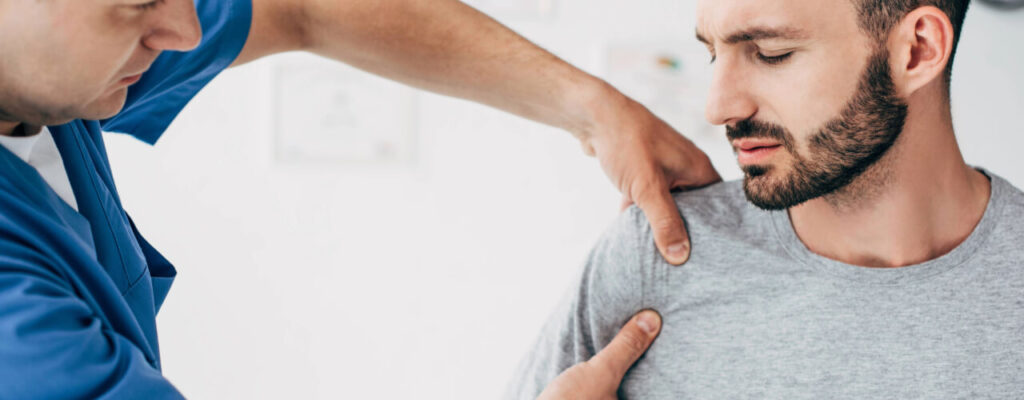
- Physiotherapists use hands-on techniques to mobilize joints and soft tissues. This can help reduce stiffness and improve mobility. John’s physiotherapist used manual therapy to manipulate his shoulder joint gently, enhancing its range of motion and reducing pain.
Modalities
- Various modalities, such as heat, ice, and electrical stimulation, can help reduce pain and swelling and facilitate better movement. Applying heat before exercises helped John’s muscles relax, making it easier to perform his range of motion exercises.
Patient Education
- Educating patients about their condition and recovery process empowers them to participate actively in their rehabilitation. John learned the importance of posture and avoiding certain movements that could strain his recovering shoulder.
When to Seek Help for Improving Shoulder Range with Physio
While it’s normal to experience some stiffness and pain post-surgery, there are times when professional help is necessary:
Persistent Pain:
- If pain does not improve or worsens.
Severe Swelling:
- Excessive swelling that does not subside with rest and ice.
Loss of Function:
- If you cannot perform daily activities despite following your rehabilitation program.
John experienced a remarkable recovery with the help of his physiotherapist at Strive Fitness and Therapy. Through dedicated exercises and treatments, he regained his full range of motion and returned to playing tennis. His commitment to his rehabilitation program and the guidance of his therapist was key to his improving shoulder range with physio.
Take Action Today for Improved Shoulder Mobility
Regaining your post-surgery range of motion is possible with the right approach. Contact Strive Fitness and Therapy in (Town) to schedule an appointment with our experienced physiotherapists. We’ll create a personalized plan to help you restore mobility, reduce pain, and get back to your favorite activities. Start your recovery journey today and reclaim your active lifestyle!