
Is Youth Training Safe for Kids? What Winnipeg Parents Should Know

Parents across Winnipeg often ask us when and how their kids should start strength and conditioning. At Strive Fitness and Therapy, we work with youth athletes every day, from beginners just stepping into the gym to competitive teens preparing for high-level sport. Our goal is to make youth training safe, age-appropriate, and focused on long-term athlete development—not just short-term wins.
What We Mean By Youth Training
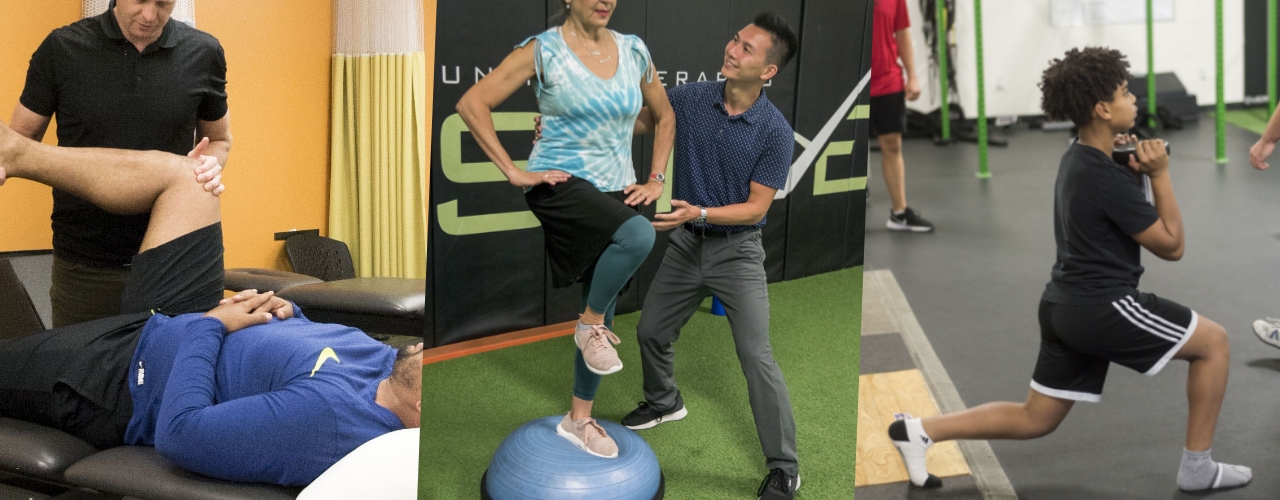
When we talk about youth training in our Winnipeg clinic, we are not talking about putting kids through adult-style bodybuilding workouts. Instead, we design youth athletic training to fit each child’s age, growth stage, sport, and experience. That applies whether the goal is better hockey performance, off-season training for football or soccer, or simply building a healthy relationship with fitness. Our youth fitness programs focus on:
- Learning proper movement mechanics (how to squat, hinge, run, jump, land, and change direction)
- Building functional strength with bodyweight and light resistance
- Improving balance, coordination, and physical literacy
- Developing speed and agility in a safe, progressive way
- Supporting confidence and enjoyment of movement
Is Strength Training Safe for Youth?
With the right coaching, properly supervised strength training for teenagers and pre-teens can be a safe part of healthy development. Programs that focus on controlled technique, gradual progression, and appropriate loads may help reduce the risk of non-contact injuries in youth sport when they include neuromuscular and strength components.3
In our clinic, we blend physiotherapy, manual therapy, and performance training so that young athletes build resilience, not just raw strength. When needed, our rehabilitation team addresses issues like sports injuries, chronic pain, or post-surgical recovery, while our coaches guide safe return to play.
How Youth Strength and Conditioning May Help Prevent Injuries
Youth athletes often play multiple sports, practice several times per week, and compete year-round. Without a structured plan, that load can be hard on growing bodies. Neuromuscular training strategies—programs that combine strength, balance, control, and movement quality—are associated with fewer non-contact injuries and less severe injuries in adolescent male athletes.3
Programs that include multifaceted warm-ups, strength training, and movement-focused drills may help reduce overall injury rates in this age group, and strength training in particular has been linked with lower injury incidence in smaller samples.3 This is one reason we build warm-up and technique work into every youth strength and conditioning session at our Winnipeg facility.
Benefits of Youth Athletic Training Beyond Performance
Parents often come to us asking how youth training improves sports performance. While faster sprints and higher jumps are great outcomes, we also see important benefits in everyday life. In team sports such as basketball, performance is shaped not only by physical qualities but also by psychological and team dynamics, and future programs are expected to be more personalized and developmentally informed.2 We keep this in mind when we coach youth—we aim to support both individual confidence and positive team behaviour.
A well-designed youth fitness program may help:
- Improve coordination, balance, and body awareness
- Build strength and power for sports like hockey, basketball, volleyball, and soccer
- Support better posture and movement habits during growth spurts
- Increase confidence in the gym and on the field or court
- Encourage lifelong habits around activity and health
How We Train Young Athletes Safely at Strive Fitness and Therapy
Our approach to youth training in Winnipeg is built around safety, progression, and communication with families. We also offer 1-on-1 personal training for youth who need more individualized attention, along with athlete development options for team-based or small-group settings. When a young athlete starts with us, we typically:
- Begin with a movement assessment to check mobility, stability, and basic patterns
- Screen for previous injuries, pain, or limitations—referring into physiotherapy when needed
- Teach foundational exercises using body weight first
- Introduce external resistance gradually only when technique is consistent
- Coordinate with parents, coaches, and therapists to balance practice, games, and training
Off-Season and In-Season Youth Training in Winnipeg
Off-season training for youth athletes is a powerful time to build strength and address weaknesses without game pressure. In-season, our focus usually shifts toward maintaining strength, managing fatigue, and addressing any aches or pains early with services such as manual therapy or targeted foot pain relief and hip pain relief when appropriate. However, during the off-season, we often prioritize:
- Progressive strength and power training
- Speed and agility training with an emphasis on technique
- Movement mechanics and landing control for injury prevention
- Conditioning tailored to the demands of hockey, football, soccer, basketball, volleyball, baseball, or track & field
FAQ: Youth Training at Strive Fitness and Therapy
What age can kids start strength training?
Rather than focusing on a specific age, we look at maturity, attention span, and readiness to follow instructions. Many children can start supervised, bodyweight-based youth fitness training once they can listen to cues and move safely in a gym environment. External weights are added gradually when technique is consistent.
How do you train young athletes differently from adults?
We emphasize skill development, enjoyment, and physical literacy over heavy loading. Youth athletic training sessions use more games, short drills, and movement variety. For teens, we slowly progress toward more traditional strength and conditioning while still prioritizing quality movement and recovery.
Can youth training help prevent sports injuries?
Structured neuromuscular training that combines warm-up routines, strength, balance, and control has been associated with fewer non-contact injuries and reduced severity in adolescent male athletes.3 Our youth strength and conditioning programs in Winnipeg integrate these elements to support safer participation in sport.
My teen already sees a physiotherapist. Can they still train?
Yes. Many of our youth clients start with physiotherapy for issues such as post-surgical rehabilitation or specific joint pain, then transition into personal training. Our therapists and coaches work together so that rehab and performance training support each other.
How do I find youth fitness programs near me in Winnipeg?
If you are in Winnipeg or the surrounding Manitoba communities and looking for youth training Winnipeg or teen personal training Winnipeg, our multidisciplinary team at Strive Fitness and Therapy offers integrated rehabilitation and sports performance options under one roof. We combine personal training, sports performance coaching, and therapy services to support long-term athlete development.
Book an Appointment with our team to get started with safe, structured youth strength and conditioning at Strive Fitness and Therapy in Winnipeg.
References
- Al-Humadi S, et al. Creatine: Clinical Implications for Orthopedic Surgeons. Cureus. 2026. doi:10.7759/cureus.103937
- Yang LK, et al. Integrative psychological interventions for enhancing basketball performance: A focus on individual and team dynamics. Acta Psychol (Amst). 2026. doi:10.1016/j.actpsy.2026.106652
- Olivier F, et al. Effect of neuromuscular training strategies on injury rates in adolescent males playing sport – a systematic review and meta-analysis. Phys Ther Sport. 2026. doi:10.1016/j.ptsp.2026.101904