
The Benefits of Physiotherapy for Sports Injuries in Winnipeg

The Benefits of Physiotherapy for Sports Injuries in Winnipeg
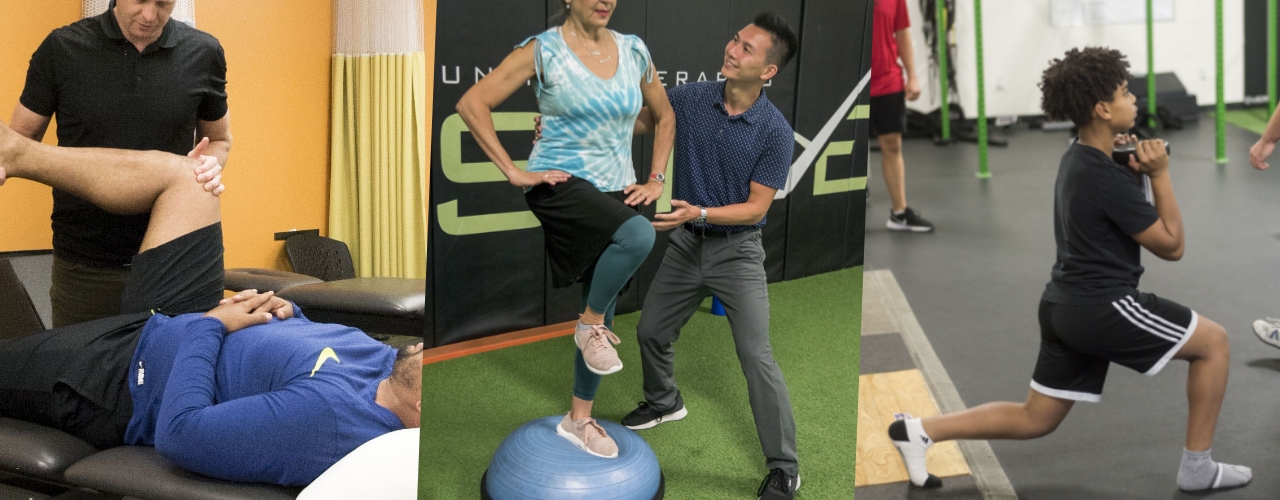
If you’re an athlete in Winnipeg looking to recover from a sports injury or get back to peak performance, physiotherapy can play a key role in your recovery. At Strive Fitness and Therapy on Waverley Street, our registered physiotherapists work one-on-one with athletes to create customized, evidence-based treatment plans, from initial injury assessment through full return to play.
Physiotherapy is a specialized form of treatment that focuses on improving physical movement, restoring functions, and enhancing overall well-being. Sports injuries can significantly vary, and may require you to step away from athletics while you recover. Fortunately, our experienced practitioners at Strive Fitness and Therapy can help you recover from an injury and safely transition back into athletics with our customized treatment plans.
What Are Some Common Sports Injuries That Physiotherapy Can Help With?
Understanding your injury is an important first step. Here are common sports injuries our team helps address:
- Overuse injuries: As the name implies, overuse injuries are caused by repetitive action or incorrect form. Here are some examples of overuse injuries:
- Runner’s Knee (patellofemoral pain syndrome): Runner’s knee is characterized by dull, aching pain around or behind the patella (kneecap), which is usually exacerbated by running, climbing stairs, squatting, or sitting with bent knees for prolonged periods.
- Rotator cuff injury: A rotator cuff injury is a partial tear in the muscles and tendons that control rotation in your shoulder joint. This can occur from repetitive arm movements in baseball, tennis, and weightlifting.
- Tennis elbow: Tennis elbow is a painful condition typically caused by the overuse of your elbow. Symptoms include weakness and pain on the outside of the elbow.
- Stress fractures: Stress fractures are tiny cracks in bones that occur due to repetitive stress or overuse. They often affect weight-bearing bones, such as the tibia (shinbone) in runners or the metatarsals in the foot.
- Sprains and strains: These injuries commonly occur in sports that involve rapid changes in direction and cutting-type movements, such as basketball and soccer. Sprains are when ligaments stretch or tear, resulting in damage. A strain is the stretching or tearing of a muscle or a tendon (i.e., the tissue that joins muscles with bone).
- Concussions (i.e., minor traumatic brain injury (TBI)): Concussions are common among contact and aerodynamic sports such as football, hockey, and gymnastics. TBIs occur from a fall or a blow to the body that causes the head to rapidly move back and forth.
- Dislocations: Dislocations occur when the bones that come together to form a joint are forced out of their normal positions. This injury can cause severe pain, swelling, and limited mobility. Examples include dislocated shoulders, fingers, and kneecaps.
The Power of Physiotherapy for Sports Injuries
Sports injuries often involve a combination of pain, swelling, stiffness, weakness, and limited range of motion. Evidence-based physiotherapy goes beyond surface-level symptom relief — it supports your overall physical health so you can perform better and reduce the risk of reinjury.
Here’s how physiotherapy at Strive Fitness and Therapy can be effective for athletes:
- Reducing Tissue Damage and Inflammation: Our registered physiotherapists use manual therapy, soft tissue therapy, and other physiotherapy treatments to help reduce inflammation and promote healing, providing relief from pain and discomfort.
- Improving Your Range of Motion: Restoring range of motion is a central goal of sport-specific rehabilitation. Through joint mobilization, stretching, mobility drills, and therapeutic exercise, we work to help you move freely again, whether you’re throwing, swimming, or sprinting.
- Building Strength and Preventing Reinjury: Muscle weakness is common after injury and inactivity. Our physiotherapists prescribe progressive resistance and functional training exercises to help rebuild strength. Stronger muscles support reinjury prevention by preparing your body for the demands of your sport.
- A Safe Return to Play: Returning to sport after a significant injury or surgery takes careful planning. Our team provides structured guidance, monitors your progress, and supports a gradual return-to-play process designed to restore your physical abilities and confidence while minimizing re-injury risk.
What to Expect Out of Treatment at Strive Fitness and Therapy
Your physiotherapist will begin with a comprehensive assessment of your condition and current symptoms to help design an effective treatment plan. After examining your physical condition and other health factors, your provider will create a care plan tailored to your specific needs and recovery goals.
We will use a combination of treatments in recovery, such as manual techniques like therapeutic massage, joint mobilizations, and passive stretching (stretching performed by your therapist), as well as exercises to improve power, speed, and overall sports performance. In addition, our practitioners will teach you ways to avoid reinjury, including proper warm-ups and cool-down drills, nutrition, and recovery tools like compression and proper rest. This will help promote a healthy recovery as you return to athletics.
FAQ: Physiotherapy for Sports Injuries in Winnipeg
How many physiotherapy sessions do I need after a sports injury?
The number of sessions varies depending on the type and severity of your injury, your recovery goals, and how your body responds to treatment. Your registered physiotherapist will outline a recommended plan during your initial 60-minute assessment and adjust it as you progress.
What is the difference between physiotherapy and athletic therapy?
Both support injury recovery and sports performance, but physiotherapy in Winnipeg covers a broader range of conditions and may include manual therapy, shockwave therapy, dry needling, and joint mobilization. Athletic therapy focuses specifically on sport-related injuries and performance. At Strive, both are available under one roof.
How do I know if I need physiotherapy or just rest?
Rest alone may not be enough to fully recover from a sports injury, particularly if you’re experiencing ongoing pain, swelling, weakness, or limited movement. A registered physiotherapist can complete a thorough injury assessment and recommend the right course of action for your specific situation.
Request an Appointment Today!
Don’t let your performance suffer any longer! If you’ve experienced an injury or are looking to overcome physical challenges, our physiotherapy team at Strive Fitness and Therapy can help. We provide long-term recovery solutions while keeping up your treatment from beginning to end.
References:
- Physio-Pedia. Rehabilitation in Sport. https://www.physio-pedia.com/Rehabilitation_in_Sport
- Physio-Pedia. The Role of the Sports Physiotherapist. https://www.physio-pedia.com/The_Role_of_the_Sports_Physiotherapist
- Aicale R, et al. Overuse injuries in sport: a comprehensive overview. J Orthop Surg Res. 2018. doi:10.1186/s13018-018-1017-5