
Stand Tall: Posture Correction for Shoulder Pain Relief in Physiotherapy
Shoulder pain can make everyday tasks feel frustrating, limiting, and even a little scary. At Strive Fitness & Therapy in Winnipeg, we see how often shoulder pain and poor posture go hand in hand. When your shoulders round forward, your head drifts out in front of your body, and your upper back stiffens, your shoulder joints may be forced to work in a less-than-ideal position. Over time, this pattern is frequently linked with issues like shoulder impingement, rotator cuff irritation, and shoulder instability.
Posture correction may not be a quick “fix,” but it can be a powerful part of shoulder pain physiotherapy, especially when combined with smart shoulder exercises, manual therapy, and an active rehabilitation plan tailored to you.3
How Poor Posture Affects Your Shoulder Joint
Your shoulder is designed for mobility and freedom of movement. When you slouch at your desk, drive for long periods, or spend hours on your phone, several changes can happen over time:
- Your shoulder blades may sit tilted or winged (called scapular dyskinesis), which is closely linked with shoulder instability and rotator cuff problems.3
- The muscles around your shoulder blade (periscapular muscles) may not coordinate well, which can reduce shoulder joint stability and control.3
- Abnormal shoulder blade movement can make overhead positions less comfortable and may contribute to shoulder pain during lifting, reaching, or sports.3
For some people with neurological or long-term conditions, changes in posture can become quite pronounced and may lead to secondary shoulder problems such as rotator cuff tendinopathy or frozen shoulder–type syndromes.1,2 These examples highlight how strongly posture, movement quality, and shoulder health are connected.
Why Posture Correction Matters in Shoulder Pain Physiotherapy
At our rehabilitation clinic, we rarely treat the shoulder in isolation. Our physiotherapy team looks closely at how your neck, thoracic spine (mid-back), ribs, and shoulder blades are working together while you move. Abnormal scapular positioning and movement are closely associated with shoulder instability and rotator cuff injuries, so restoring healthy shoulder blade mechanics often becomes a key focus of care.3
Postural correction is not about “standing straight” all day. Instead, we help you:
- Improve awareness of how you sit, stand, and move.
- Build shoulder joint stability and control through targeted shoulder strengthening exercises.
- Use pain reduction exercises and mobility work to keep the neck, mid-back, and shoulders moving more freely.
- Layer posture-friendly habits into your work, workouts, and everyday life.
Our Approach at Strive Fitness & Therapy
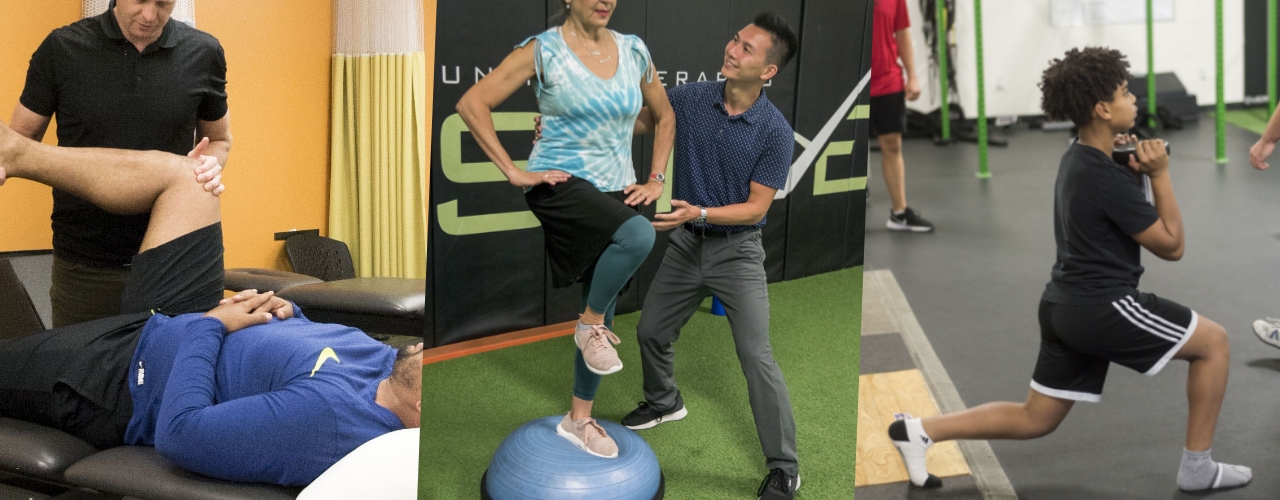
Because Strive Fitness & Therapy blends physiotherapy, chiropractic, massage, athletic therapy, and performance training under one roof, we can create a postural correction program that addresses both pain and long-term performance.
During your initial physiotherapy assessment, we may:
- Use posture assessment tools and range of motion assessment to see how your neck, upper back, and shoulders are moving.
- Look for signs of scapular dyskinesis and shoulder instability that could be contributing to your shoulder pain.3
- Review your office ergonomics, sport demands, and daily habits that might be stressing your shoulders.
From there, we often combine:
- Manual therapy techniques to ease stiff joints and tight soft tissues.
- Shoulder mobility exercises and joint mobility devices (where appropriate) to improve movement.
- Functional shoulder training and upper body strengthening with strength bands and free weights in our training space.
- Core strengthening exercises and body mechanics education so your whole kinetic chain supports the shoulder.
Our goal is to help you move away from passive care and towards a clear, active plan you can follow with confidence.
Key Shoulder Exercises for Posture and Pain Relief
Every person is different, but some types of exercises frequently play a role in shoulder pain management and shoulder injury prevention:
- Scapular control drills: Low-load shoulder exercises to help your shoulder blades glide smoothly on your rib cage, supporting shoulder joint stability and reducing excessive stress on the rotator cuff.3
- Rotator cuff strengthening: Focused shoulder rotator cuff exercises with light dumbbells or strength bands to build endurance and control in the deep stabilizing muscles.
- Thoracic mobility work: Gentle rotation and extension drills for the mid-back to improve mobility and flexibility, making it easier to get the shoulder into overhead positions comfortably.
- Posture support muscles: Upper back and core strengthening exercises that help maintain a more open, stable base for the shoulders.
We often start with pain reduction exercises and then gradually progress to more demanding functional shoulder training, tailored to your goals—whether that is office comfort, playing with your kids, or getting back to sports.
Integrating Rehab and Training for Long-Term Results
Once your pain is better controlled and your movement patterns are improving, many people at our clinic transition into the training side of Strive. This continuity can be especially helpful for shoulder instability relief and long-term shoulder health.
Options may include:
- 1-on-1 personal training to continue targeted upper body strengthening and postural work.
- Large group training for a more community-focused way to maintain your results while still honouring your shoulder history.
- Sport-specific programming for youth and adult athletes dealing with sports injuries or working on shoulder injury prevention.
Because our physiotherapists and training staff work closely together, we can help you move from shoulder pain physiotherapy into sustainable shoulder strengthening exercises and performance training without losing momentum.
FAQs: Posture, Shoulder Pain, and Physiotherapy
What shoulder exercises relieve pain effectively?
Many people respond well to a mix of gentle shoulder mobility exercises, scapular control drills, and light shoulder rotator cuff exercises that focus on control rather than heavy load.3 The exact plan depends on whether your main issue is shoulder impingement, instability, or stiffness. At our clinic, we customize pain reduction exercises to your specific presentation and stage of recovery.
How does posture correction improve shoulder health?
Posture correction can put your shoulder blades and upper back in a position that better supports the shoulder joint. When scapular positioning and movement improve, it may reduce abnormal stress on the rotator cuff and improve shoulder joint stability, which is closely associated with better shoulder function and comfort.3
Can rotator cuff exercises prevent shoulder injuries?
Well-chosen rotator cuff and shoulder strengthening exercises may support shoulder joint stability and control, which is important for people at risk of shoulder instability and sports injuries.3 When these are combined with good body mechanics education, posture awareness, and appropriate training loads, they can contribute to shoulder injury prevention.
How often should I do mobility and strengthening exercises?
Most people benefit from doing light mobility and control work several days per week, with more focused strengthening sessions scheduled a few times weekly. The right frequency depends on your pain levels, goals, and overall training volume. During your physiotherapy sessions, we help you find a schedule that is realistic and safe to follow at home or in the gym.
What role does physiotherapy play in shoulder pain management?
Physiotherapy may help with early positioning, mobilization, and pain control for a wide range of shoulder problems, from acute injuries to more complex neurological and musculoskeletal conditions.1,2,3 At Strive Fitness & Therapy, we use a combination of manual therapy, targeted exercise, posture correction strategies, and education to support both short-term shoulder pain relief and long-term mobility and function.
If shoulder pain or posture issues are holding you back, our team at Strive Fitness & Therapy in Winnipeg is ready to help you move, feel, and perform with more confidence. Book an Appointment to get started with a personalized shoulder and posture assessment.
Strive Fitness & Therapy – Winnipeg Physiotherapy, Rehab, and Training
References
- Smolentseva IG, et al. [Musculoskeletal disorders in patients with Parkinson’s disease]. Zh Nevrol Psikhiatr Im S S Korsakova. 2025. doi:10.17116/jnevro20251251126
- Maso I, et al. A physiotherapy protocol* for stroke patients in acute hospital settings: expert consensus from the Brazilian early stroke rehabilitation task force. Arq Neuropsiquiatr. 2025. doi:10.1055/s-0045-1806924
- Fu Y, et al. Innovative diagnostic framework for shoulder instability: a narrative review on machine learning-enhanced scapular dyskinesis assessment in sports injuries. Eur J Med Res. 2025. doi:10.1186/s40001-025-02507-5