
Running Assessment in Winnipeg: What I Look for as a Physiotherapist
Whether you’re preparing for your first 5K or training for your next marathon, the way you run can affect how your body feels. If you’re dealing with recurring aches, injuries, or simply want to improve your running, a running assessment can be a good place to start.
When someone comes to me for a running assessment at STRIVE Fitness and Therapy in Winnipeg, I’m not looking for perfect running form. I’m looking for practical changes that make sense for their body, training, and goals.
Why I Started Working With Runners
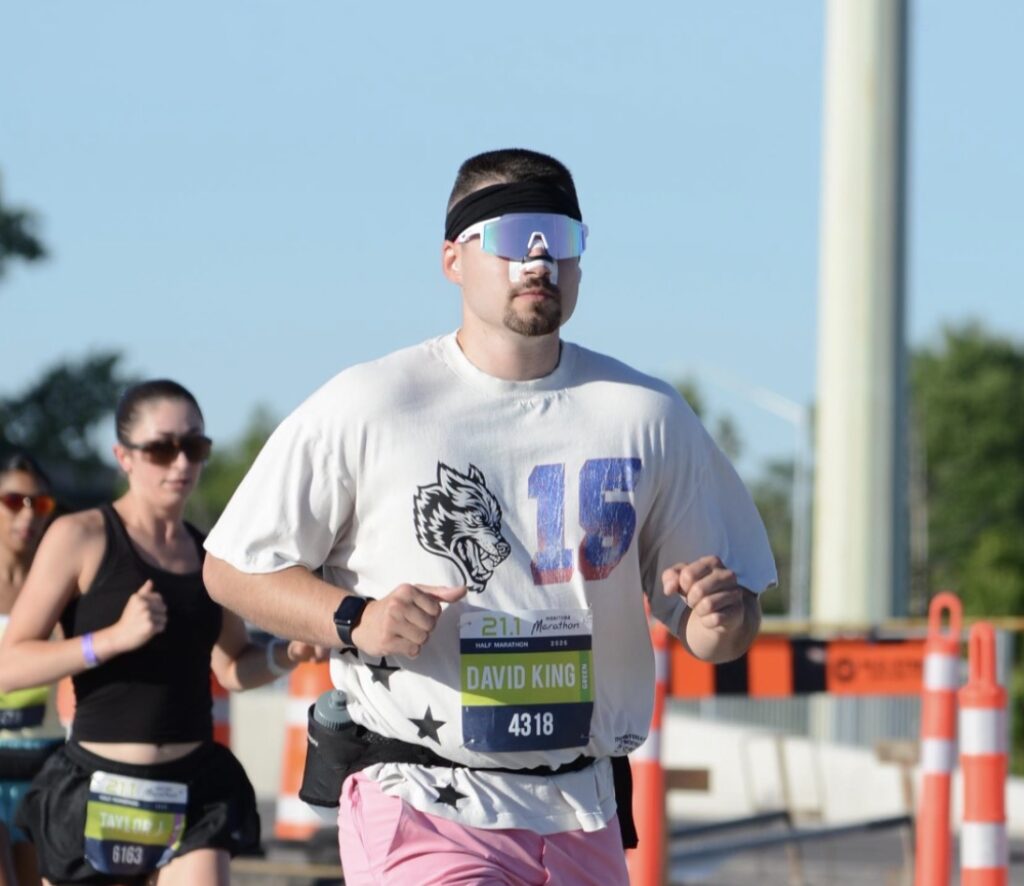
A few summers ago, I got into running myself. I wanted to understand it better, both for my own training and to help my patients. Since then, I’ve worked with all kinds of runners, from complete beginners and casual weekend runners to competitive marathoners and trail runners. One thing I’ve learned? You don’t need to overthink every detail of your running technique. Sometimes, small adjustments are worth exploring.
What I Look for During a Running Assessment
When I first watch someone run, two things I tend to notice are their cadence and how their feet land.
Cadence is the number of steps you take per minute. Some runners may benefit from increasing their cadence slightly, but there isn’t one ideal number that works for everyone.
I also look at foot strike, or how your foot makes contact with the ground. Landing on your heel isn’t automatically a problem. What matters is how your overall running pattern, strength, and training habits relate to your symptoms. Runners often worry about details like pronation, supination, or how much their hips rotate. These can be useful observations, but they don’t always tell the whole story.
What Happens During a Running Assessment?
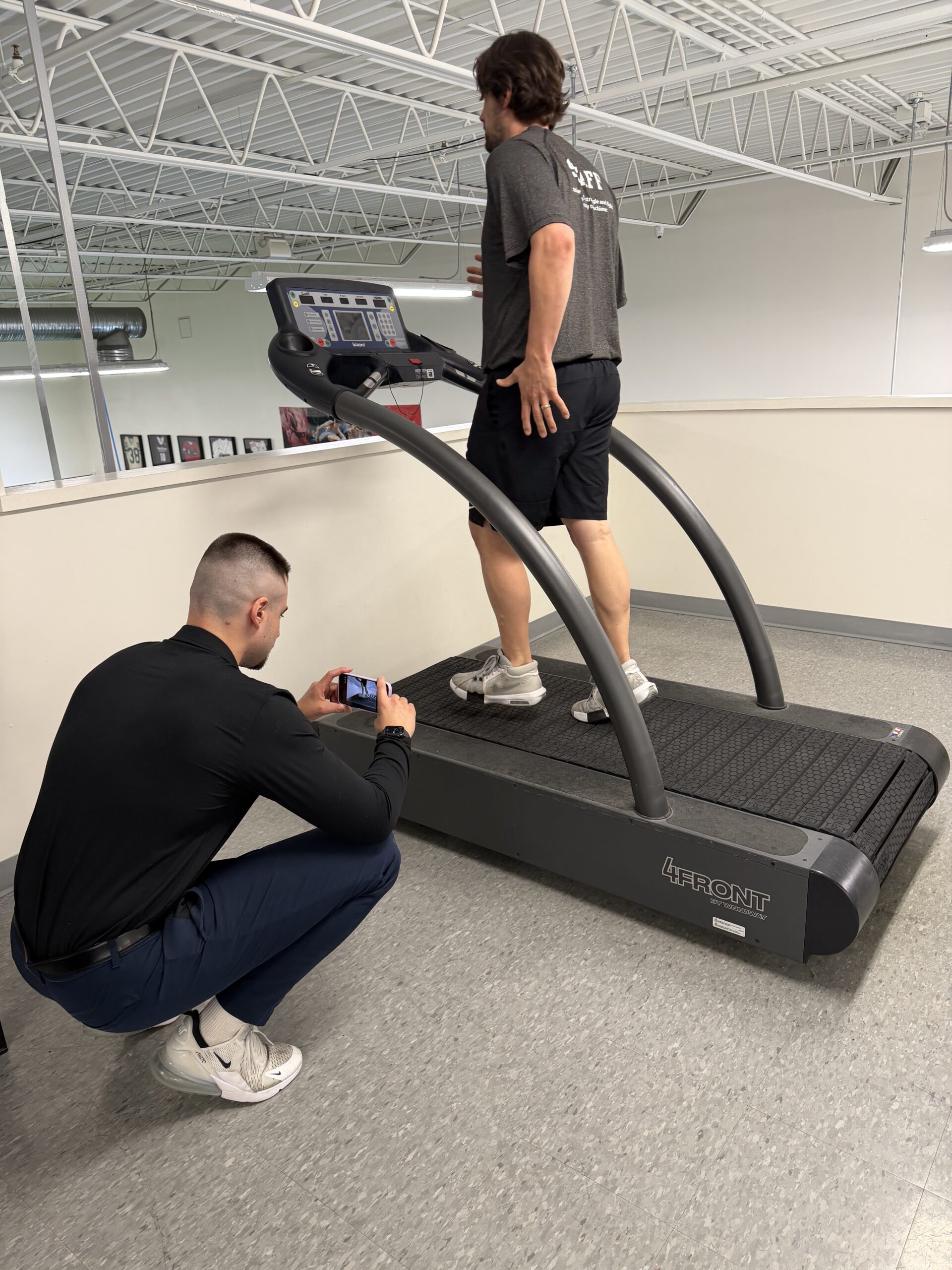
A running assessment at STRIVE gives me a more complete picture of how you move.
We’ll typically look at:
- Running history: How often you run, your usual distances, recent training changes, and goals.
- Running gait: Your cadence, foot strike, and overall movement patterns while running.
- Strength and mobility: How well different areas of your body move and support your running.
- Footwear: The type of running shoes you wear and whether they’re working for you.
- Pain or previous injuries: Any recurring discomfort or limitations that may be affecting your training.
From there, I can recommend adjustments to your running form, training schedule, strengthening exercises, or footwear based on what we find.
Small Changes That May Make a Difference
Not every runner needs to change their technique. However, there are a few adjustments I commonly discuss during assessments.
1. Pay Attention to Your Cadence
For some runners, gradually increasing cadence by approximately 5–10% from their usual rate may help change how forces are distributed through the body. That doesn’t mean everyone needs to reach 170 or 180 steps per minute. Your ideal approach depends on your running speed, comfort, and individual needs.
2. Think About Landing Softer
One cue I sometimes use is to imagine running on eggs without breaking them. It’s a simple way to encourage a lighter, more controlled landing. However, changing your running form isn’t necessary for everyone, and any adjustments should feel comfortable.
3. Find Footwear That Works for You
More cushioning isn’t always better, but neither are minimalist or barefoot shoes. The right footwear depends on your comfort, running habits, and injury history. If you’re considering a different shoe style, make the transition gradually rather than switching everything overnight.
Common Mistakes That Can Set Runners Back
Running technique is only part of the picture. I also see runners struggle with a few common training habits:
- Increasing mileage too quickly: Sudden jumps in distance or intensity can place more demand on your body than it’s prepared for.
- Skipping strength training: Building strength in your legs, hips, and core can help support the demands of running. STRIVE’s personal training programs offer additional support for developing strength and fitness.
- Pushing through worsening pain: Continuing to run when symptoms are increasing may make it harder to manage an injury.
If pain keeps returning, it’s worth finding out what’s contributing to it. Physiotherapy at STRIVE in Winnipeg can help assess your symptoms and guide your next steps.
A Real Example From My Practice
I once worked with a runner experiencing Achilles tendinopathy who couldn’t run without discomfort. After his running assessment, we introduced targeted strength exercises and made adjustments to his running form.
Within approximately three to four sessions, he reported that his Achilles pain had resolved and he was running comfortably again. Every runner’s recovery looks different, and results aren’t guaranteed. However, his experience is a good example of how understanding someone’s movement and training habits can help guide a personalized plan.
One Thing You Can Try This Week
Check your running cadence!
If you have a running watch, take a look at your average steps per minute during a comfortable run. You don’t need to chase a specific number or immediately change how you run. Simply understanding your usual cadence gives you a useful starting point. If you’re experiencing pain or considering changes to your technique, a running assessment can help determine which adjustments may be appropriate.

Running Assessment FAQs
Do I Need to Be Injured to Book a Running Assessment?
Not at all! Running assessments can be useful for beginners learning how to train, experienced runners working toward performance goals, and anyone dealing with recurring running-related pain.
What Should I Bring to My Running Assessment?
Bring your usual running shoes, comfortable athletic clothing, and any relevant training information, such as your weekly mileage or recent race history.
Will I Need to Change My Running Form?
Not necessarily. Everyone runs differently, and there’s no single technique that’s right for every person. I’ll look at your individual movement patterns and recommend changes only when they make sense for your needs.
Ready to Take Your Running to the Next Level?
Ready to improve your running technique and feel more confident with every stride? Book a running assessment at STRIVE Fitness and Therapy in Winnipeg today!

David King
David earned his Bachelor of Kinesiology in Athletic Therapy in 2023 and completed his Master of Physical Therapy in 2025.