
Concussion Recovery: How Physiotherapy Helps You Heal Faster
A concussion can make your everyday life feel unexpectedly difficult and exhausting. Everyday things that normally seem simple, such as looking at a screen, walking through a busy store, concentrating at work, or exercising, can suddenly trigger headaches or migraines, dizziness, nausea, or other symptoms.
If you’re trying to figure out what helps concussion symptoms improve, it’s important to remember that recovery looks and feels different for everyone. A gradual, individualized return to activity can be an important part of getting back to the things you enjoy and take pride in.
This is also where physiotherapy can help. Understanding how physiotherapy helps concussion recovery can make the process feel less overwhelming and can help you move forward safely.
Understanding the Concussion Recovery Process
A concussion is a mild traumatic brain injury (TBI) that can temporarily affect how the brain functions. Symptoms can be physical, cognitive, and emotional. Common concerns may include headaches and migraines, dizziness, balance problems, sensitivity to light and noise, brain fog and difficulty concentrating, fatigue, and changes in sleep [4].
However, no two concussions are identical.
One person may mainly struggle with headaches and neck pain, while another may experience dizziness or difficulty tolerating even a small amount of physical activity. This is why the concussion recovery process should be based on the individual rather than following the same plan for everyone.
A healthcare provider can help you identify which symptoms are affecting you most and determine what types of support may be appropriate during your recovery.
How to Recover From a Concussion: Is Rest Really Enough?
For many years, people were told to avoid almost all physical and mental activity until their symptoms completely disappeared. Current research has shifted away from the idea of complete, prolonged rest [1].
A period of relative rest during the first 24 to 48 hours is generally recommended. After this initial period, light physical and cognitive activity can usually be introduced gradually, as long as symptoms are being monitored [2].
Research has also shown that early light physical activity and appropriately prescribed aerobic activity, such as walking, swimming, or cycling, may support recovery following a sport-related concussion [2].
So what does that mean? In simple terms, learning how to recover from a concussion is less about doing nothing and more about finding the right amount of activity at the right time.
Returning to activity too quickly may aggravate symptoms, but avoiding activity for far too long may not be helpful either. A gradual approach, sometimes called graded exercise or activity progression, allows activity to increase as your body becomes ready for it.
How Physiotherapy Helps Concussion Recovery
Physiotherapy for concussion involves more than simply getting someone back into exercise.
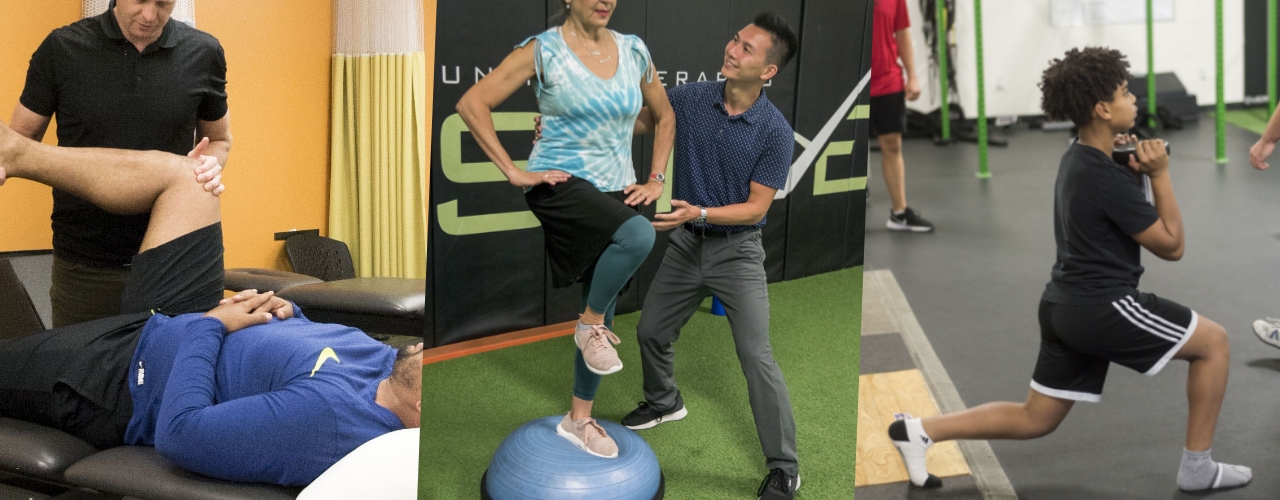
A physiotherapist can assess different areas that may be contributing to ongoing symptoms. Depending on your individual needs, this may include balance, oculomotor and visual tracking function, cervical spine and neck mobility, coordination, and your ability to tolerate physical activity.
For people experiencing dizziness or balance problems, vestibular rehabilitation may be helpful. The vestibular system plays an important role in balance, sensory integration, and understanding where your body is in space. After a concussion, problems with this system can contribute to dizziness, motion sensitivity, and feeling unsteady.
At Strive Fitness and Therapy, vestibular physiotherapy may include assessing eye and head movements, balance, gait, and cervical function to help determine which areas may be contributing to symptoms.
The neck is another important part of concussion rehabilitation. The force that causes a concussion can also affect the cervical spine, and in some people, neck problems can contribute to headaches, dizziness, and discomfort.
Research has shown that targeted cervical and vestibular rehabilitation can benefit some people experiencing ongoing dizziness, neck pain, or headaches following a sport-related concussion [3].
Physiotherapy may also help you gradually rebuild tolerance to activity, supporting the brain’s natural neuroplasticity and autonomic regulation as it adapts. Instead of moving from rest straight back into your usual workout, sport, or daily routine, activity can be increased step by step based on your symptoms and progress.
This is really how physiotherapy helps concussion recovery: by identifying what may be limiting functional recovery and building a plan to address those specific concerns.
What Exercises for Concussion Recovery Might Look Like
There’s no single exercise programme that works for every concussion. The right exercises for concussion recovery depend on your symptoms, current abilities, and what is found during your assessment.
Depending on the individual, rehab may include:
- Light aerobic exercise, such as walking, cycling, or swimming
- Balance and coordination exercises
- Eye and head movement, oculomotor, and visual tracking exercises
- Vestibular or gaze-stabilization exercises
- Cervical spine mobility or strengthening exercises
- Cognitive rehabilitation activities to help with concentration and brain fog
- Gradual progression toward work, recreation, or sport-specific activity
Research supports the use of controlled, symptom-related aerobic activity as part of concussion rehabilitation, rather than prolonged strict rest [2].
Concussion Healing Timeline
“When will I feel normal again?” is one of the most common questions after a concussion. Unfortunately, there is no exact concussion healing timeline that applies to everyone. Instead of comparing your recovery to someone else’s, focus on your own progress, sleep optimization, and consistent symptom monitoring. Concussion recovery depends on factors such as symptoms, previous concussions, and injury severity [1].
Frequently Asked Questions
FAQ: Concussion Tips and Other Ways to Help Heal Faster
What are some concussion recovery tips I can start with right away?
Prioritize a short period of relative rest in the first 24 to 48 hours, then gradually reintroduce light activity as tolerated. Monitoring your symptoms, protecting your sleep, and avoiding a rushed return to full activity are some of the most helpful concussion recovery tips.
Is it better to rest or stay active after a concussion?
Current evidence suggests a balance between rest and activity after a concussion, rather than one or the other. A brief rest period is usually followed by a gradual, symptom-guided return to light activity.
How long does it typically take to recover from a concussion?
Recovery time varies widely from person to person, so there is no single concussion healing timeline. Working with a physiotherapist can help you track your progress and adjust your plan as needed.
Can physiotherapy help with brain fog and concentration problems after a concussion?
Physiotherapy can support broader concussion recovery, including graded activity and vestibular or cervical rehabilitation, which may help some people manage symptoms like brain fog as part of a wider recovery plan.
When should I see a physiotherapist after a concussion?
If your symptoms are ongoing or affecting your daily life, it’s worth speaking with a physiotherapist. Learn more about our services at Strive Fitness and Therapy.
Final Thoughts
Recovering from a concussion can be frustrating, but the good news is you don’t have to navigate it by yourself. A gradual, individualized approach, guided by an assessment of your specific symptoms, can help support a safer and steadier recovery.
Our team at Strive Fitness and Therapy is here to help.
Contact Strive Fitness and Therapy today
References
- Patricios JS, Schneider KJ, Dvorak J, et al. Consensus statement on concussion in sport: the 6th International Conference on Concussion in Sport, Amsterdam, October 2022. British Journal of Sports Medicine. 2023;57(11):695-711. doi:10.1136/bjsports-2023-106898
- Leddy JJ,BurmaJS, Toomey CM, et al. Rest and exercise early after sport-related concussion: a systematic review and meta-analysis. British Journal of Sports Medicine. 2023;57(12):762-770. doi:10.1136/bjsports-2022-106676
- Schneider KJ,MeeuwisseWH, Nettel-Aguirre A, et al. Cervicovestibular rehabilitation in sport-related concussion: a randomised controlled trial. British Journal of Sports Medicine. 2014;48(17):1294-1298. doi:10.1136/bjsports-2013-093267
- Centers for Disease Control and Prevention. Signs and Symptoms of Concussion. HEADS UP.