
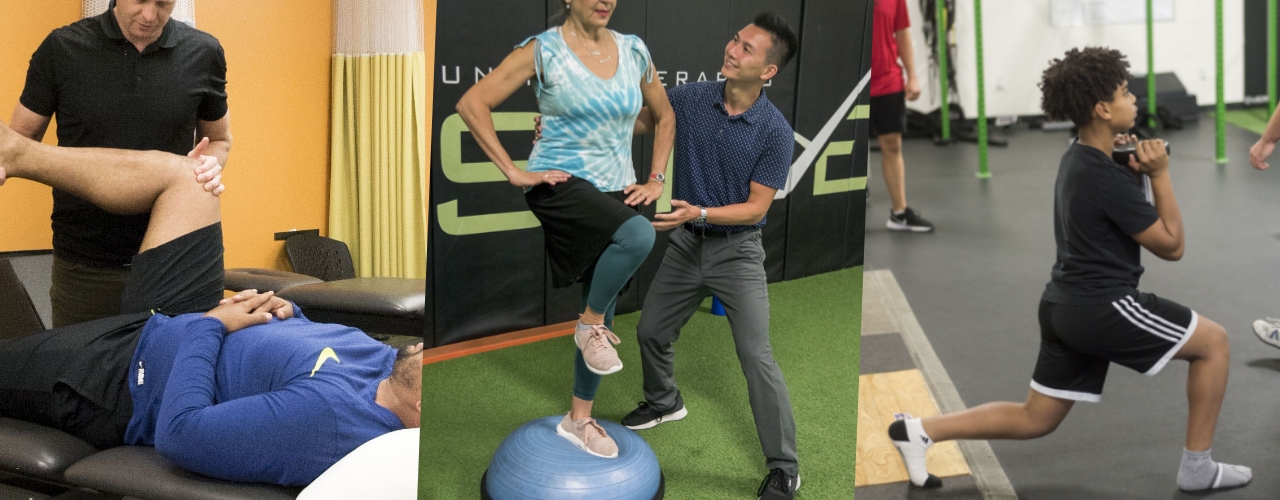
Why Youth Athletes Need Support-Specific Strength Training Before College

Every fall, families across Winnipeg watch their teens dream of playing at the collegiate level. There is a growing number of people asking us the same question: What should young athletes be doing physically to get there? The honest answer is that practicing reps alone is not enough. Youth athlete strength training built around a specific sport, position, and growth stage helps prepare the body for the demands ahead, long before a scholarship offer arrives. At Strive Fitness and Therapy in Winnipeg, we see the gap between playing a sport and training for one. Here is why sport-specific conditioning matters, and how to build it safely.
What Makes Sport-Specific Training for Young Athletes Different
General fitness classes build a baseline of strength and coordination. Sport-specific conditioning for teens goes further. Their movement is designed around patterns, energy systems, and injury risks tied to a particular sport. For example, a hockey player needs different rotational power and lateral quickness, whereas a soccer midfielder is built for repeated sprints for over ninety minutes.
At Strive, our coaches use functional movement screening to understand how an athlete moves before assigning any program. This screening helps identify mobility restrictions, strength imbalances, and movement compensations that could limit performance or contribute to injury over time. From there, training is periodized, meaning intensity and volume are structured across weeks and months. This is so athletes can peak for tryouts and competitive seasons rather than plateauing early.
Building Athletic Training Before College the Right Way
Collegiate athletics preparation is not something that starts in grade twelve. Coaches recruiting for college programs look for athletes who already move well, understand training, and have built a body that can withstand a demanding season. Off-season training for athletes is where much of this foundation gets built, since there is more time to address weaknesses without the pressure of weekly games.
Our off-season training programs focus on developing the strength, speed, and mobility qualities that translate directly to sport performance. In contrast, our sports performance team works with athletes on technical skills that scouts tend to notice, such as acceleration and deceleration mechanics. Building these qualities gradually over several off-seasons, rather than cramming them into a single summer, gives young athletes a more sustainable path toward collegiate-level readiness.
Protecting Young, Growing Bodies from Overuse Injuries
One of the biggest risks facing young athletes today is single-sport specialization. Playing the same sport year-round, often on multiple teams at once, can overload the same muscles, joints, and growth plates repeatedly, contributing to overuse injury and, in some cases, growth plate injuries.
A well-designed strength and conditioning program can help address these risks. Mobility and stability training, paired with progressive strength work, helps distribute load more evenly across the body and may help reduce strain on vulnerable areas. We also encourage families to consider a multi-sport athlete approach where possible, since varied movement patterns support broader development. When an injury does occur, our team works closely between our sports injuries services and performance coaching, so recovery and training stay connected.
Working With a Sports Performance Coach Who Understands Long-Term Development
A qualified sports performance coach looks beyond this season’s schedule. At Strive, our approach to athlete development is built on a long-term model that moves young athletes from foundational movement skills toward more advanced, sport-specific work as they mature. A thirteen-year-old and a seventeen-year-old preparing for college showcases will follow very different programs, even if they play the same sport, and that distinction matters for long-term health.
FAQ: About Youth Athlete Strength Training
What age should young athletes start sport-specific strength training?
There is no single age that applies to every athlete. Readiness depends on physical maturity, training history, and the ability to perform foundational movements safely. Many young athletes begin general strength and conditioning in their early teens and shift toward sport-specific work as their skill and coordination develop.
How is sport-specific training different from general youth strength and conditioning?
General programs build overall strength, coordination, and movement quality. Sport-specific conditioning applies those qualities to the exact demands of a sport, such as change-of-direction speed for soccer or rotational power for baseball and golf. Our sports training programs are built around these demands.
Can strength training help prevent overuse injuries in young athletes?
Structured strength and conditioning, including mobility and stability training, may help reduce the physical strain linked to repetitive sport-specific movements. It cannot guarantee an athlete will avoid injury, but a progressive, well-monitored program is one of the more useful tools for supporting long-term athletic health.
Should my teen specialize in one sport or train for multiple sports?
This depends on the individual athlete, but many sports medicine professionals encourage a multi-sport approach through the early teen years. Playing multiple sports exposes young athletes to varied movement patterns, which can support more well-rounded development before specializing later in adolescence.
When should athletes begin preparing physically for college-level sports?
Ideally, physical preparation for collegiate athletics begins several years before recruitment, not in the final year of high school. Building strength and sport-specific conditioning gradually gives athletes a stronger, more sustainable foundation heading into tryouts and showcases.
Book an Appointment to build a Sport-Specific Training Plan for You
Strive Fitness and Therapy are here to help you get the training you deserve.
References
- Faigenbaum AD, Kraemer WJ, Blimkie CJR, et al. Youth Resistance Training: Updated Position Statement Paper From the National Strength and Conditioning Association. J Strength Cond Res. 2009;23(5 Suppl):S60–S79. doi:10.1519/JSC.0b013e31819df407
- Brenner JS; American Academy of Pediatrics Council on Sports Medicine and Fitness. Sports Specialization and Intensive Training in Young Athletes. Pediatrics. 2016;138(3):e20162148. doi:10.1542/peds.2016-2148