
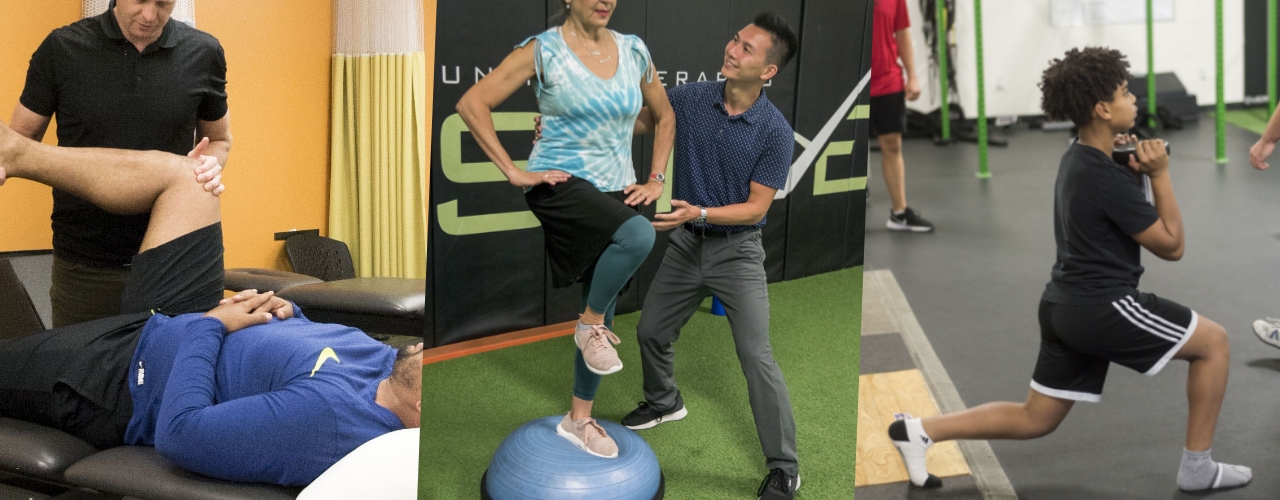
Sports Injury Prevention and Physio

When Morgan, 35, joined a karate class at her community centre, she was hooked. Months later, pain at the back of her left thigh kept her off the mat. She had a hamstring strain, most likely from ramping up too quickly without first conditioning her body. Her story is common, and it shows why sports injury prevention matters as much as treatment.
At Strive Fitness and Therapy in Winnipeg, we see many athletes like Morgan. We also love working with people who want to get ahead of injuries before they happen. Whether you play rec hockey, run marathons or are the parent of a young athlete, a personalized physiotherapy plan can help you stay active and keep doing what you love.

How Sports Injury Prevention With Physiotherapy Works
A good prevention program has two goals: lower your chances of getting hurt, and reduce the severity of any injury that does happen. Your physiotherapist looks at how your body handles the demands of your sport, then builds a plan around your strengths and weak spots.
Common injuries often have clear causes. An ankle sprain often links back to poor balance control. An ACL injury can relate to how the knee moves when you land or change direction. Rotator cuff and Achilles tendon problems frequently build up over time from repetitive load. Depending on your sport, your program may focus on:
- Strength and muscle activation, so the right muscles switch on at the right time
- Core stability and knee stability to support joint stability during high-impact movement
- Neuromuscular control, which helps your body react quickly to sudden cuts or uneven ground
- Range of motion in the hips, ankles and shoulders
- Aerobic endurance, since muscle fatigue can affect your form late in a game
What to Expect at Your Appointments
What to Expect at Your Injury Prevention Assessment
Your first visit is a 60-minute one-on-one assessment with a physiotherapist. We’ll take the time to understand your body, your sport and your goals.
During your assessment, we’ll:
- Review your health history, sport and goals – to understand what you need from your training.
- Assess how you move – with screens that look at strength, balance, coordination and mobility.
- Identify movement patterns – that may be putting extra stress on your joints or increasing your risk of injury.
- Create a personalized exercise plan – based on your sport, goals and areas that need support.
- Build strength and stability – to help support your joints and address muscle imbalances caused by repetitive movements.
- Tailor exercises to your sport. For example:
- Pickleball players may focus on balance, agility and quick footwork.
- Baseball players may work on shoulder strength and mobility.
- Runners can book a running assessment for a closer look at their stride and running mechanics.
- Track your progress – and adjust exercises and intensity as your body adapts.
- Learn practical recovery strategies – including warm-ups, cool-downs, hydration, nutrition, sleep and recognizing when your body needs rest.

Frequently Asked Questions About Preventing Sports Injuries
Can physiotherapy help prevent sports injuries?
Yes, physiotherapy can help lower your risk. A physiotherapist can identify weak areas, movement habits and imbalances, then give you targeted exercises to address them. Athletic injury prevention is one of the key benefits of sports physiotherapy.
What are the best injury prevention exercises for athletes?
It depends on your sport and your body, which is why an assessment comes first. Most programs include strength work, balance drills, core stability exercises and mobility training. Your physiotherapist will tailor them to your activity.
How can I reduce my risk of an ACL injury?
Training how you land, jump and change direction can help support knee stability. Neuromuscular training, plyometrics and hip and leg strengthening are common parts of prevention. Learn more about our ACL prevention program.
Is injury prevention training worth it for youth athletes?
Young athletes who commit to a sport can benefit from learning good movement habits early. A structured program can help build strength, balance and body awareness as they grow. Strive also offers dedicated youth athlete training programs.
What should I do if I’ve already been hurt?
Book an assessment so a physiotherapist can look at the injury and create a recovery plan. Once you’re back on track, the same prevention strategies can support a safe return to sport. See how we approach sports injury treatment.
Keep Doing What You Love
Ready to train smarter with Strive? Request an appointment today and our team will assess how you move and create a program that fits your sport and your goals.