

How Vestibular Physiotherapy Helps Calm the Spinning Of Vertigo
The room seems to move when you roll over in bed. You stand up, and suddenly everything feels unsteady. Maybe looking up, turning your head, or walking through a busy store leaves you feeling off balance.
If you have experienced vertigo, you know it can be much more than simply feeling a little dizzy. It can make everyday movements feel uncertain and leave you wondering what is causing it and whether you can get back to feeling like yourself.
If you have been searching for how vestibular physiotherapy works, you are likely looking for answers and, most importantly, a way to feel steady again.
The good news is that many causes of vertigo can be identified and treated. Vestibular physiotherapy is one approach that can help reduce symptoms, improve balance, and make everyday movement feel more comfortable again.
Why Does Vertigo Happen?
Your sense of balance depends on several parts of your body working together, including your eyes, muscles, joints, and inner ears, which send information to your brain about where you are and how you are moving. Your inner ears play an especially important role, helping your brain recognize movements like turning your head or changing position. When those signals do not quite match what your eyes and body are telling your brain, you may feel like you are spinning or losing your balance. Vertigo can also be related to migraines, inner ear problems, or neck issues, so identifying the cause behind your symptoms is an important first step.
One common cause is benign paroxysmal positional vertigo (BPPV), which happens when tiny particles inside the inner ear move out of position, causing a brief spinning sensation when you change the position of your head.
For example, you might notice symptoms when:
- Rolling over in bed
- Getting out of bed
- Looking up
- Bending down
- Turning your head quickly
How Does Vestibular Physiotherapy Work?
Vestibular physiotherapy is designed to help your body and brain work together more effectively when it comes to balance and movement.
Your first appointment will typically start with a conversation about what you have been experiencing. Your physiotherapist may ask when your symptoms started, what movements make them worse, and how they are affecting your everyday life.
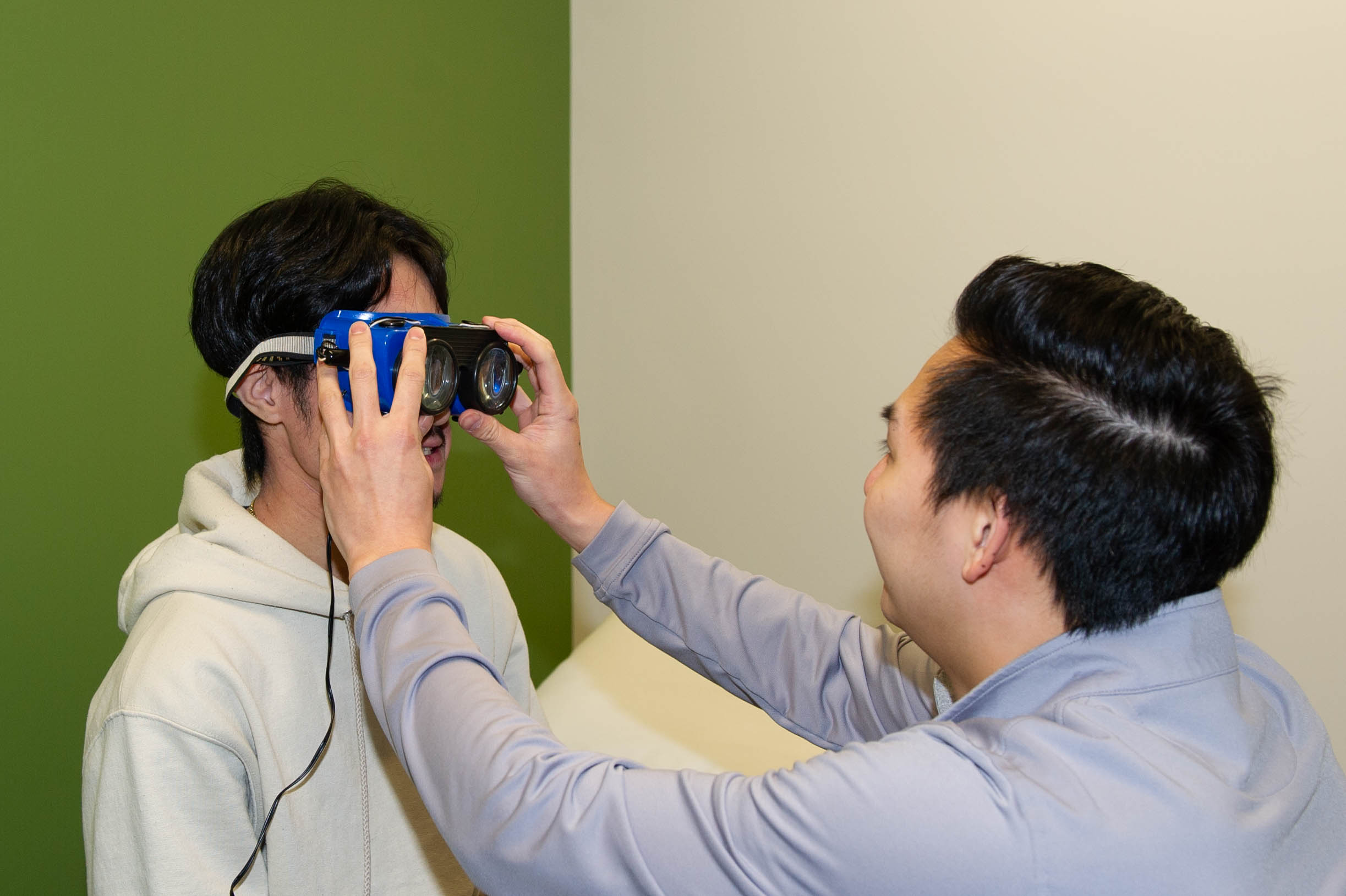
You may then be guided through a series of simple movements and exercises. These help your physiotherapist understand how your balance, vision, and movement are responding.
Once they have a better understanding of what’s going on, they can create a treatment plan based on your needs.
Repositioning Exercises
If your vertigo is related to BPPV, your physiotherapist may use a series of gentle, guided head movements to help reposition the particles causing your symptoms.
These movements are often referred to as the Epley technique. For some people with BPPV, symptoms can improve significantly after only one or two appointments.
Eye and Head Exercises
Your eyes and inner ears need to work together when you move. Sometimes, that connection needs a little retraining after an episode of vertigo or another balance-related problem.
Specific exercises can help your eyes stay focused while your head moves. Over time, this can make movements feel more natural and comfortable.
Movement Exercises
Sometimes, certain movements or environments can trigger symptoms. You might feel uncomfortable walking through a busy grocery store, scrolling on your phone, turning quickly, or moving through a crowded space.
Rather than avoiding these activities altogether, your physiotherapist may gradually introduce movements that challenge your balance in a safe and controlled way.
With practice, your body can become more comfortable with those movements, which may help reduce your sensitivity over time.
Balance Exercises
Feeling unsteady can make you nervous about moving. You may start avoiding stairs, walking quickly, exercising, or doing activities you used to enjoy.
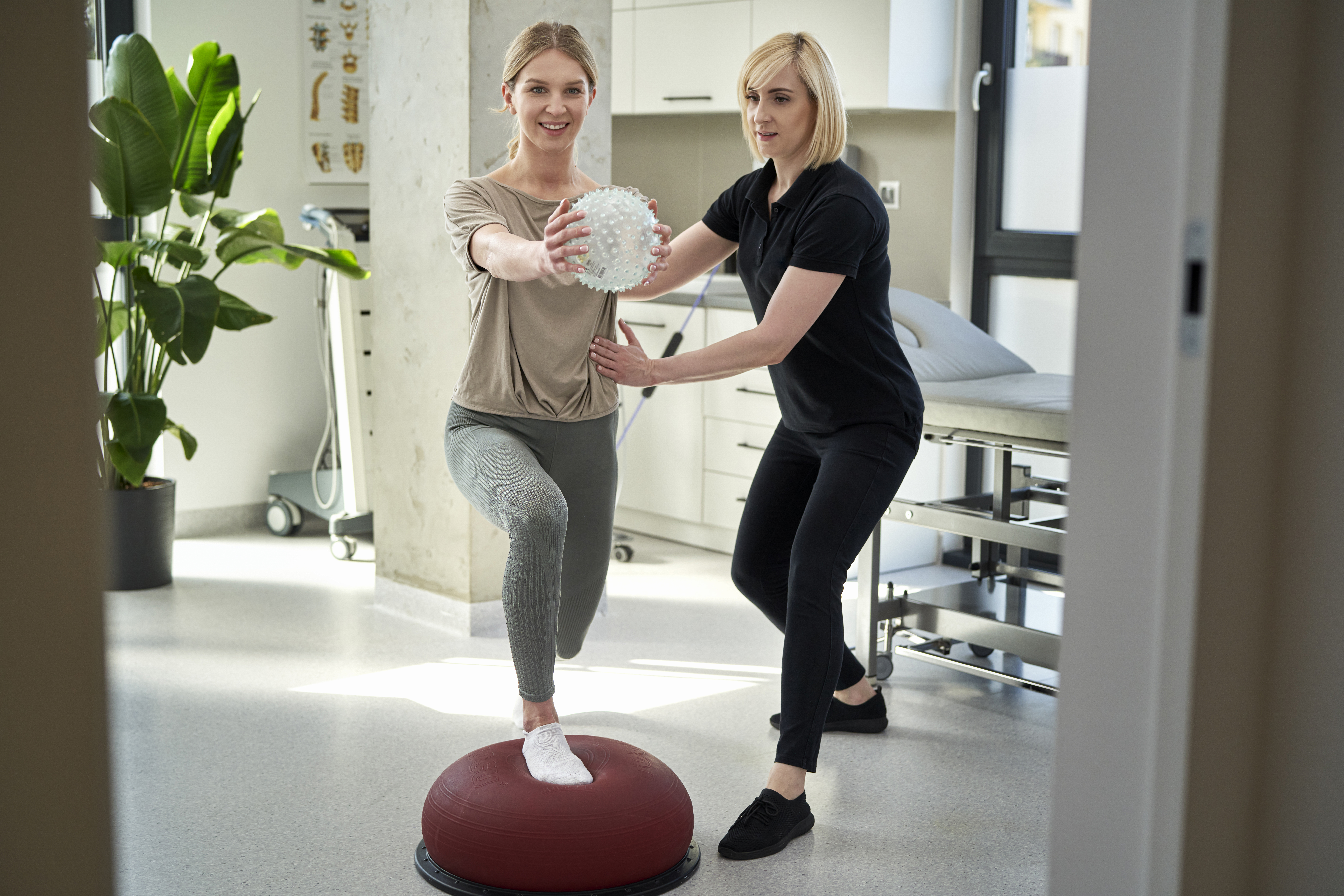
Balance exercises can help you become more confident on your feet. Your physiotherapist can gradually challenge your balance in different positions and environments while keeping your exercises appropriate for your abilities.
What Can You Expect From Vestibular Rehabilitation?
Vestibular physiotherapy is not about pushing through symptoms or following the exact same routine as everyone else. Your treatment will depend on what is causing your symptoms, how you are feeling, and what you want to get back to doing.
During your appointments, your physiotherapist may introduce movements or exercises that gently challenge your balance. As you become more comfortable, these exercises can gradually become more challenging. You may also receive exercises to do at home between appointments. Consistency can help reinforce the progress you make during your sessions.
At Strive, we take an individualized approach to physiotherapy. Your treatment plan is built around you; not just your symptoms. Maybe your goal is to get through a workday without feeling unsteady. Maybe you want to get back to golfing, gardening, exercising, or simply walking up the stairs without worrying about losing your balance. Whatever getting back to normal looks like for you, your physiotherapy program can be designed with those goals in mind.
Frequently Asked Questions
What causes vertigo?
There are several possible causes of vertigo. One of the most common is BPPV, which can occur when tiny particles in the inner ear move out of place. Vertigo can also be related to migraines, inner ear problems, or issues involving the neck. Because dizziness and vertigo can have different causes, an assessment can help determine what may be contributing to your symptoms.
Can physiotherapy help with vertigo?
Yes. Vestibular physiotherapy can help many people experiencing vertigo or balance difficulties. Treatment may include repositioning techniques, specific exercises, balance activities, and gradual exposure to movements that trigger symptoms. The right approach depends on what is causing your symptoms, which is why an individualized assessment is important.
What is the difference between vertigo and dizziness?
Although the words are often used interchangeably, they can describe different experiences. Vertigo usually involves a feeling that you or the world around you is spinning or moving. Dizziness is a broader term that may describe feeling lightheaded, unsteady, off balance, or generally “not quite right.” If you are unsure how to describe what you are experiencing, that’s okay. Your physiotherapist can help you work through your symptoms during your assessment.
What happens during a vestibular physiotherapy assessment?
Your physiotherapist will start by talking with you about your symptoms and how they affect your everyday life. They may then guide you through different head, eye, and balance movements to see how your body responds. This helps them better understand what could be contributing to your symptoms and determine which treatments may be appropriate.
How many vestibular physiotherapy appointments will I need?
There is no set number of appointments for everyone. Some people with BPPV may notice significant improvement after only one or two visits. Others may need more time to work on balance, movement, or sensitivity to certain activities. Your physiotherapist can give you a better idea of what to expect after assessing your symptoms and progress.
Feeling Steadier Starts With Understanding What Is Going On
Vertigo can make simple things like getting out of bed, walking down the stairs, turning your head, feel much more difficult than they used to. But you don’t have to simply accept feeling unsteady. Understanding what may be contributing to your symptoms is an important first step. From there, vestibular physiotherapy can provide a personalized approach to help you move with greater confidence and get back to the activities that matter to you.
At Strive, our goal isn’t just to help you manage your symptoms. It’s to help you feel more comfortable, confident, and capable in your everyday life.
Ready to Feel Steadier?
If spinning, dizziness, or feeling off balance is getting in the way of your day, our physiotherapy team can help you take the next step. Request an Appointment